When I first started building duty vests back in the day, I made a common mistake: I kept it as simple as possible, one big pocket on each side, and thought that was all any officer, security guard, or first responder would need. Man, was I wrong. Within a week of launching my first small batch, I got a dozen emails, a couple of phone calls, even a guy who showed up at my garage workshop in a beat-up truck to complain—turns out people were stuffing their vests full of gear, and every time they bent over, reached for their radio, or even walked up a flight of stairs, stuff was slipping out, getting lost, or jabbing them in the ribs. That’s when I realized the biggest advantage I could build into a duty vest wasn’t just durable fabric or comfortable straps—it was multiple compartments. Today, that’s the backbone of every vest we put out, and I’m gonna break down exactly why that tiny, seemingly obvious design choice makes all the difference for anyone who wears a duty vest every single shift. Duty Vest
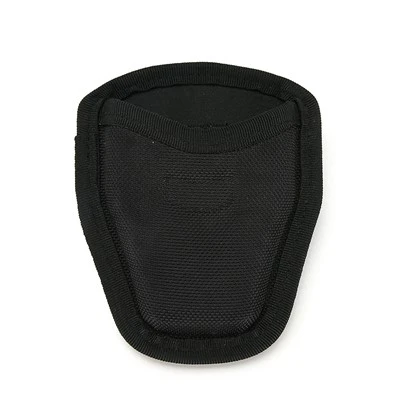
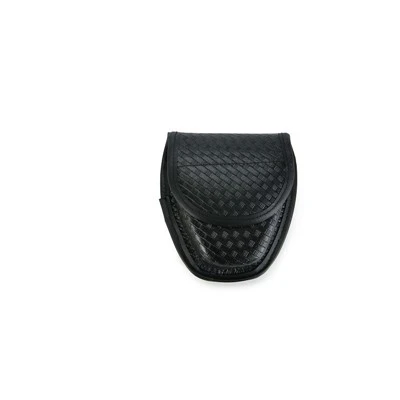
First off, let’s cut the jargon and talk about the biggest pain point multiple compartments solve: organization. I don’t care how meticulous you are, if you’ve got a 6×8 inch pocket holding your pepper spray, handcuff case, radio, extra pen, and a pack of gum, you’re gonna be digging through stuff when you need it. One second you’re talking to a witness, the next you need to cuffs fast for a shoplifter—do you really wanna fumble around trying to pull a metal case out of a pile of keys? With multiple compartments, each piece of gear has its own spot. We place the radio in a padded, dedicated slot right at chest level where you don’t have to shift your weight to reach it, handcuffs go in a reinforced side pocket that’s sized just right so they don’t rattle around, and the pepper spray is in a thumb-release pocket up high so you can access it without taking your hand off your firearm. It’s not just “having more pockets”—it’s assigning a specific spot to every tool, so you’re not wasting 10 seconds looking for something when every second counts. I’ve had a new customer test our vest on a 12-hour shift, and they came back saying they used to waste almost 5 minutes a shift just digging through their old one—5 minutes that add up to like a whole hour a week, just fumbling. That’s the kind of time that can make or break a call.
Next up: safety. No, not just the safety of the gear inside—your safety, and the safety of everyone around you. I mentioned earlier that loose gear in one big pocket can slip out. Picture this: you’re responding to a domestic disturbance, your hand’s on your firearm, you bend down to grab a dropped phone from a suspect, and your handcuff case slides down, clatters to the concrete, and you lose 10 seconds picking it up. Worse, a loose pen or key can stab you when you’re running, or poke a hole in your radio’s battery. But multiple compartments also distribute the weight way better than one big pocket ever could. Old-school vests would stack all the heavy gear on one side, so an officer would end up leaning to one direction, straining their back after a few hours. We spread the weight across three to four smaller pockets—side, chest, lower back—so it’s evenly balanced, no more back pain at the end of a shift. I’ve heard so many stories of guys who used to leave work with sore shoulders, now they say they barely notice they’re wearing a vest by the end of the day. That’s not a small thing; a tired officer is a distracted one, and distraction is a risk for everyone.
Then there’s versatility. Here’s the thing: not every shift is the same. One day you’re on a routine retail security gig, just walking the floor, checking IDs. The next day you’re at a college event, working crowd control, and you need extra pens, a notepad, maybe a foldable flashlight. Another day you’re responding to a car crash, and you need to have gloves and a trauma pad ready. Multiple compartments let you mix and match gear without having to buy a whole new vest for every situation. If someone only needs pepper spray and a radio for a quiet shift, they can leave the lower pockets empty. If they’re working a high-stakes event, they can add a first-aid kit, extra handcuffs, and a breathalyzer without cramming all of it into one spot. I’ve had a lot of customers tell me they used to keep two vests on hand, one for regular shifts and one for events, but now they just adjust the compartments on theirs and cut their gear costs in half. That’s a win for them, and a win for us, because we built something that adapts to their needs, not the other way around.
Wait, let’s talk about durability too, because people forget that. A big, single pocket has to hold all your gear, so it’s way more likely to stretch, tear, or wear out at the seams from the constant pulling and shifting. Multiple compartments, on the other hand, each have their own reinforced seams, so stress is spread out. The radio pocket gets reinforced webbing that holds up to sliding your radio in and out 20 times a shift, the handcuff pocket has a thicker ripstop fabric that doesn’t fray from metal cuffs rubbing against it. We’ve tested our vests against 10,000 pull-and-release cycles on the main compartments, and we still haven’t had a failure. Compare that to a competitor’s single-pocket vest that starts to split after 2,000 uses—those guys are gonna be replacing their vests every six months, while our customers get a year or more out of theirs. That’s a big savings for any operation, especially small security companies or volunteer first responders on a budget.
But let’s keep it real, I don’t wanna make it sound like multiple compartments are some magic fix for every problem. You gotta get the size right, you don’t want too many tiny pockets that are useless for bigger gear, and you need easy access so you’re not fumbling with zippers every time. That’s why we design ours with a mix: dedicated padded slots for big gear (radio, handcuffs, firearms), medium pockets for notepads or extra mags, and even a small zippered pocket for keys or a phone so they don’t slip out. We also use Velcro and thumb-release tabs on most of the main pockets, not just zippers, because zippers get stuck when it’s raining or you’re in a hurry. I’ve had guys tell me they’d rather have a Velcro pocket that opens with one hand than a zipper that requires two—makes total sense.
Now, let’s talk about the stuff that doesn’t show up in specs, but makes all the difference: the little details that come from listening to people who wear these vests every day. A few years back, a female officer told us that a lot of duty vests are made for men’s build, so the big single pocket sits too low, digs into their hips. So we adjusted our compartment placement to sit higher, closer to the chest, so it fits better on smaller frames. Another guy, a volunteer firefighter, said he needed a compartment that could hold a small pair of gloves without them getting all sweaty and moldy—so we added a mesh panel on one lower pocket for ventilation. That’s the thing with multiple compartments: each one can be tailored to a specific need, instead of one-size-fits-all. You can’t do that with a single big pocket.
I know a lot of suppliers out there will tell you their vest is “tactical” or “durable” without explaining why, but from where I’m sitting, the advantage of multiple compartments isn’t just about more space—it’s about making the vest work for the person wearing it, not the other way around. It’s about saving time when seconds matter, keeping people comfortable so they stay focused, making gear last longer so you don’t have to spend more money, and adapting to whatever shift you’re on that day.
Tactical Vest If you’re a security company, a law enforcement agency, a fire department, or even someone who’s been fed up with their current vest slipping or being too big to find stuff in, we built these vests for you. We don’t do generic, off-the-shelf gear—we build them for the people who show up when others don’t, and that means listening to their needs. If you wanna chat about your specific setup, what gear you carry, and how we can adjust a duty vest with multiple compartments to fit your exact shift, hit us up to connect and talk procurement. We’re here to make something that works, not just something that looks good on a website.
References
- National Institute of Justice. (2021). Duty Gear Ergonomics for Law Enforcement Officers. U.S. Department of Justice.
- Security Industry Association. (2022). Operational Efficiency in Private Security: Tools for Reducing Response Time.
- Occupational Safety and Health Administration. (2020). Ergonomic Guidance for First Responder Workwear.
- Journal of Occupational and Environmental Hygiene. (2019). Correlation Between Duty Vest Design and Musculoskeletal Discomfort in Uniformed Personnel.
Quanzhou Jinbei Bags Co., Ltd.
As one of the most professional duty vest manufacturers and suppliers in China, we have world-leading production equipment and strong manufacturing capabilities. Please feel free to buy bulk high quality duty vest for sale here from our factory. Customized orders are welcome.
Address: 302, NO. 158-17, EAST DISTRICT, TANDING, HESHI, LUOJIANG , QUANZHOU, FUJIAN, CHINA
E-mail: jinbeibags@126.com
WebSite: https://www.jinbeibags.com/
