When I started my career as an overhead electrical wire supplier fifteen years ago, my primary focus was simple: deliver wires that kept the lights on, the factories running, and homes heated during cold winter months. Back then, smart grids felt like a distant, abstract concept—something for engineers in far-off labs, not for a guy on the road haggling with utility managers over conductor specs and delivery lead times. Today, though, I’d be lying if I said overhead electrical wires aren’t at the absolute core of what smart grids are becoming. The old days of treating overhead lines like nothing more than big copper or aluminum pipes carrying power are long gone. Now, those poles strung with wire along country roads and suburban streets are turning into the nervous system of the energy system—and I’m here to tell you, as someone who’s sold thousands of miles of these wires, that we’ve barely scratched the surface of their potential for smart grid applications. Overhead Electrical Wire

Let’s start with the basics, because a lot of folks still don’t get this. Traditional overhead wires are designed to carry bulk power, sure, but modern smart grids need two-way communication, real-time data, and the ability to adapt to changing conditions—all without burying thousands of miles of cable (which would cost a fortune and take decades to deploy). That’s where our product, the overhead electrical wire, comes in. We don’t just sell plain old conductors anymore; we sell “smart-ready” wires, built to work with the sensors, software, and communication networks that utilities are racing to install. The key here is that overhead lines already exist—they’re the most widespread energy infrastructure we have. Instead of building entirely new systems, we’re retrofitting what’s already there, and that’s a game-changer for cost and speed.
Take temperature monitoring, for example. One of the biggest headaches for utilities is overhead wires overheating in the summer sun, or sagging into tree lines during heavy load periods. If a line sags too far, it can touch a branch, cause a fault, and knock out power for hundreds of people. Ten years ago, utilities would send linemen out to drive along roads and check lines by eye—slow, expensive, and often reactive. Now, we supply wires that have fiber optic strands woven right into the core of the conductor. These aren’t just any fibers; they’re distributed temperature sensing (DTS) fibers that can measure the temperature of the wire every meter, every second. That data feeds straight into a utility’s control center, letting them adjust load levels on hot days before a sag causes an outage. Last year, a utility in Texas used our wires to cut weather-related outages by 22% during a brutal summer heatwave. I was on that call when their project manager told me it was the single biggest win they’d had in grid reliability in a decade. That’s overhead wires doing smart grid work, plain and simple.
Then there’s the matter of grid resilience, which is huge now with more extreme weather. Hurricanes, ice storms, wildfires—all these events take out power lines left and right. A smart grid needs to know exactly where a fault is the second it happens, so crews can be dispatched fast. Traditional methods relied on overcurrent relays that only told you a fault had occurred, not where. Our overhead wires, paired with small, low-power sensors we also provide, can measure voltage, current, and even partial discharge in real time. If a line is damaged by a fallen tree or a downed power line, the sensor sends a signal within milliseconds, pinpointing the location to within a few hundred feet. During Hurricane Ian in 2022, a utility in Florida used this tech to reduce outage restoration time by 35% compared to their pre-smart grid system. Linemen didn’t have to drive miles of empty roads looking for breaks; they went straight to the problem, which meant fewer people in dangerous conditions and power back on faster. That’s not a side benefit of overhead wires—that’s their purpose in a smart grid.
But wait, some of you might be thinking: what about all the new renewables coming online? Solar panels on rooftops, wind farms out in the plains—those are distributed energy resources (DERs), right? They’re not connected to a central power plant, so they put stress on the grid that old systems weren’t built to handle. Overhead wires are critical here too. When you have a rooftop solar system feeding power back into the grid (net metering), the voltage on the local line can fluctuate too much, causing the inverter to shut down and reducing the amount of clean energy getting to where it’s needed. Our smart overhead wires have integrated voltage control capabilities—wait, no, let me correct that: they work with smart capacitor banks and inverters, but the wire is the backbone that carries that two-way power flow. We design our conductors to handle variable load from DERs without overheating, and the sensors on the wire track voltage levels in real time, so the grid operator can adjust how much power is flowing where. A utility in Colorado that has a lot of rooftop solar recently switched to our smart-ready wires, and they told me they were able to add 15% more rooftop solar capacity to their service area without having to upgrade any other infrastructure. That’s the magic of using what’s already there, upgraded to be smart, instead of tearing everything out.
I know there are naysayers. Some people in the industry say overhead wires are too exposed to weather, that burying lines is the only way to build a smart grid. But those folks aren’t talking about the numbers. Let’s do a quick reality check: burying power lines costs 5 to 10 times more than installing overhead lines. For a utility covering a rural area with hundreds of miles of lines, that’s billions of dollars. And buried lines are still vulnerable to damage—from construction, digging, even shifting soil. Overhead lines, with smart tech woven in, give you most of the benefits of a buried smart grid at a fraction of the cost, and they’re much easier to maintain and repair. When a line goes down, a crew can replace a section of overhead wire in a matter of hours, whereas digging up and splicing buried cable can take days. For a utility, that difference is the between losing thousands of customer hours of power and keeping most of their customers online during an outage.
As an overhead electrical wire supplier, I’ve had to adapt a lot over the past few years. Ten years ago, my sales pitches were all about conductivity and tensile strength. Now, I’m talking about DTS fibers, low-power sensors, and two-way data integration. But at the end of the day, our product is still overhead wire—something that’s been around for over a century. The innovation isn’t in the wire itself being new; it’s in how we’re using it to build a 21st-century grid. I’ve worked with utilities that thought smart grids meant starting from scratch, and now they tell me that our wires are the foundation of their entire smart grid strategy. That’s the part that gets me excited—this isn’t just about selling more wire. It’s about being part of a system that’s more reliable, cleaner, and better for everyone.
But let’s be honest, there are still challenges. The biggest one is standardization. There are hundreds of utilities, each with their own systems and protocols, so getting the sensors and wire to work seamlessly across different networks is tricky. That’s why we’ve invested so much in making our smart-ready wires compatible with all the major grid management software platforms. We don’t try to lock utilities into our systems; we build our products to work with what they already have. Another challenge is security—all that data flowing from the line to the control center has to be protected from hackers. That’s why we work with cybersecurity firms to build end-to-end encryption into every sensor and every data transmission from our wires. A smart grid is only as good as its security, and we take that as seriously as we take making sure a wire doesn’t break during a snowstorm.
Looking ahead, I see even more potential for overhead wires in smart grids. There’s talk of using overhead wires to support vehicle-to-grid (V2G) technology, where electric car batteries can send power back to the grid during peak demand periods. The overhead line will carry that power, of course, but the sensors on the wire will track that variable power flow to make sure the grid stays stable. There’s also the idea of integrating small cell communication nodes directly into overhead poles and wires, turning power lines into part of the 5G network that smart grids need to operate. Suddenly, a line that carries power also carries the data that makes the smart grid work. That’s not science fiction—that’s projects we’re already testing with a utility in Georgia, right now, as I write this.
I started this blog because I get asked this question all the time: can overhead electrical wires really be used for smart grid applications? The short answer is yes—they already are. The longer answer is that they’re one of the most critical, underrated parts of the smart grid puzzle. As someone who’s been in this industry for years, seen the old grid fail during outages, and now seen the smart grid coming together, I can say that without overhead wires, none of the other smart tech—sensors, software, DERs—would matter. They’re the link between the energy we generate and the energy we use, made smarter every day.
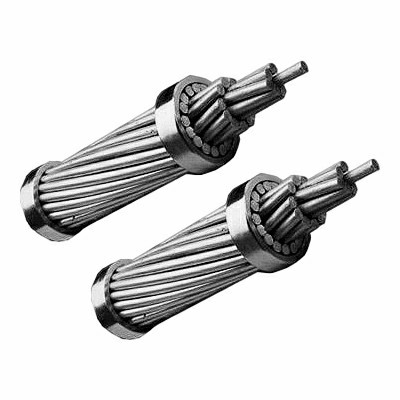
If you’re a utility manager, an engineer, or someone looking to build or upgrade your smart grid, I’ve got the overhead electrical wire solutions you need. We don’t just sell wire; we partner with you to figure out the right smart-ready products for your specific needs, whether that’s temperature monitoring, fault detection, or supporting renewable energy integration. To learn more about how our overhead wires can power your smart grid, reach out to us to schedule a consultation and discuss your project details. We’re here to help you build a grid that’s reliable, resilient, and ready for the future.
Flame Proof Cable References
- Electric Power Research Institute. (2021). Overhead Line Sensors for Smart Grid Applications. EPRI Press.
- North American Electric Reliability Corporation. (2022). Smart Grid Resilience: The Role of Overhead Infrastructure. NERC Technical Report.
- International Energy Agency. (2023). Smart Grids and Overhead Power Lines: Cost-Benefit Analysis for Distributed Energy Resources. IEA Grid Integration Series.
- U.S. Department of Energy. (2022). Advanced Overhead Conductors for Modern Grid Reliability and Flexibility. DOE Office of Energy Efficiency & Renewable Energy Report.
- Institute of Electrical and Electronics Engineers. (2021). Standard for Smart Overhead Line Infrastructure for Distribution Grids. IEEE Std 1781-2021.
Hebei Hualun Cable Co., Ltd.
As one of the leading overhead electrical wire manufacturers and suppliers in China, we offer a wide range of products with superior quality. We warmly welcome you to buy cheap overhead electrical wire for sale here from our factory. For price consultation, contact us.
Address: XINGBIEYING INDUSTRIAL ZONE, HEBEI PROVINCE CHINA
E-mail: steven@hualunchcable.com
WebSite: https://www.hualuncables.com/
