What’s up, everyone. If you’re in the market for tank heads—whether you’re a fabricator, a plant maintenance manager, or someone who sources heavy industrial parts for projects—you already know these things aren’t your run-of-the-mill shipping boxes. Tank heads are those curved end caps that seal pressure vessels, storage tanks, and all kinds of industrial equipment, right? They’re thick, made of steel, stainless steel, sometimes even aluminum, and if they get banged up, dented, or scratched during shipping? That’s a huge problem. Even a tiny dent in the wrong spot can mess with their structural integrity, making them unsafe to use or even requiring you to scrap the whole unit. As a tank heads supplier, I’ve seen my fair share of shipping horror stories—clients getting parts that looked like they’d been in a backyard brawl, and everyone loses. So today, I’m breaking down exactly what packaging requirements we (and honestly, every reputable tank head supplier) should be following to keep these heavy, often oddly shaped parts intact when they show up at your dock. Tank Heads
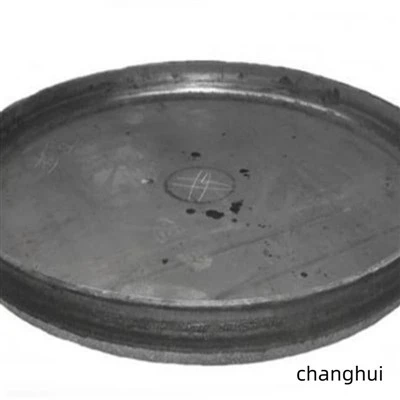
First off, let’s talk about why tank heads are such a pain to ship. Most are between 2ft and 12ft in diameter, some even bigger, and weighing anywhere from a few hundred pounds to several tons. They’re curved, so they don’t lay flat, which means they shift around if you don’t secure them right. Their surfaces are smooth, but if they’re stainless steel for food or pharmaceutical use, scratches aren’t just cosmetic—they can harbor bacteria or ruin the material’s finish, making it unfit for sanitary applications. Even carbon steel heads? A dent or impact mark can create stress concentrations, which is a no-go for pressure vessels that have to hold steam, chemicals, or high pressure. I once had a client send back two 8ft diameter stainless heads because the cardboard we used on the outer layer got soaked in rain during a cross-country truck trip, and the moisture caused surface rust spots that they couldn’t polish out without ruining the mill finish. That was my mistake—we hadn’t accounted for weather resistance. Lesson learned.
So let’s start with the basics: dimensional and structural prep before packaging even happens. Wait, that’s a thing, right? You can’t just wrap a 5,000lb tank head and throw it on a pallet. First, you have to make sure the head is clean—no leftover weld slag, sharp burrs, or loose debris. Those can scratch the surface during handling and shipping. We always blow off our tank heads with compressed air before packaging, and if there are small burrs, we grind them smooth with a handheld sander. For sanitary-grade stainless heads, we use food-safe cleaning solutions, no harsh chemicals, so we don’t leave residues that could get trapped under packaging. Then, we have to consider their orientation. Curved tank heads can’t sit straight up and down on a flat surface because the curve creates pressure points. We always place them on custom-cut wooden cradle blocks that match the radius of the head’s curve. That way, the weight is distributed evenly across the flat face, not just on the top or bottom point. If you just set a curved head on a pallet, it’s going to rock back and forth, shift, and likely get a dent from rubbing against the pallet edge. We use pressure-treated wood for those cradles, too—no splinters that could catch the head’s surface.
Next up, protection for the surface. This is where most people cut corners, and it’s where we’ve had the most issues. For regular carbon steel heads, we use a thick, polyethylene foam sheet that’s 1/2 inch minimum, but for stainless or aluminum heads, we go with a non-abrasive foam—no rough side. Wait, also, we don’t use foam that has any chemical coatings, because some stainless grades are sensitive to galvanic corrosion. If you use foam that has steel dust or zinc in it, it can cause a reaction on the stainless surface over time, especially if it’s humid. That’s a pro tip you don’t hear every day. Then, over the foam, we use a layer of heavy-duty, woven polyethylene wrap—think the kind that’s used for securing construction materials, not the thin stuff you wrap a present with. This wrap keeps the foam in place and blocks dust, moisture, and small scratches. For sanitary-grade heads, we even add a layer of FDA-approved paper between the foam and the polyethylene wrap, just to give that extra layer of separation. I know it sounds like overkill, but when a client is using these for a brewery or a pharmaceutical plant, they can’t take any chances with contamination.
Now, the actual packaging unit: pallets vs. crates. Most small to medium tank heads (under 6ft diameter) can go on a heavy-duty wooden pallet, but not a standard 48×40 pallet—those are too flimsy for a 3,000lb head. We use pallets that are 6 inches thick, with stringers running the entire length, and we reinforce the corners with steel angle brackets. The tank head sits on the custom cradle blocks we cut, and we strap it down with heavy-duty nylon or steel banding. Wait, nylon straps might sound safe, but steel banding is actually better for heavy loads because it doesn’t stretch during transit. We use 2-inch wide steel banding, tensioned to a specific level—not so tight that it crushes the foam or distorts the head, but tight enough that it can’t shift. We usually run three bands across the diameter, spaced evenly, and then add diagonal bands from the corners of the pallet to the opposite corners, so it’s secured from all angles. For small heads, maybe 2ft diameter, we can use plastic stretch wrap over the top of the straps, but only after the steel banding is done. That extra layer keeps dirt out.
But for larger tank heads, say over 8ft diameter, pallets aren’t enough. You need a wooden crate. Not a flimsy wire crate—solid wood, 2×6 or 2×8 planks, nailed and screwed (not just stapled, staples pull out). The crate has to be built specifically for the head, with enough clearance around the edges so that the head doesn’t touch the wood of the crate. We leave a 2-inch gap on all sides, and line the crate’s inner walls with the same non-abrasive foam we use on the head itself. For extra large heads, like 12ft, we actually build the crate on-site while the head is positioned on the crane, so we don’t have to move it around once it’s ready to package. That way, there’s no risk of dropping or shifting during the crate assembly. I once had a 10ft head that was being moved into a temporary crate, and the forklift driver accidentally bumped the crate into a concrete pillar, leaving a 2-inch dent on the outer rim. The client had to send it back, and we lost a couple grand in shipping and rework. Now we just build the crate right where the head is, no moving needed.
Weather resistance is another big one, especially if you’re shipping cross-country or internationally. Rain, snow, high humidity—all that can cause rust, especially on bare carbon steel heads. We don’t just wrap the foam in polyethylene; we cover the entire pallet or crate with a heavy-duty, waterproof shrink wrap, 10 mil minimum, not the thin 3 mil stuff. We heat shrink it tight, so there are no gaps where moisture can get in. For international shipments, where the climate can be totally different (like shipping from the US to Southeast Asia, where it’s tropical and humid), we add a desiccant packet inside the crate—one 500cc packet per 100 square feet of interior space. Desiccants absorb moisture, so even if there’s a tiny gap in the shrink wrap, the air inside the crate stays dry. That’s something a lot of smaller suppliers skip, and it leads to surface rust that’s impossible to fix without repainting, which can affect the head’s performance.
Handling and shipping labels—don’t sleep on these, either. If you’re a supplier, you can have the best packaging in the world, but if the truck driver thinks it’s just a big piece of wood and stacks another 10,000lb crate on top of it, it’s done for. We put big, bold labels on all four sides of the pallet or crate that say “HEAVY INDUSTRIAL PART – DO NOT STACK” in 3-inch letters, plus an arrow pointing to the top so drivers know which side is up. We also add a “FRAGILE” label, even though it’s a heavy part, because the fragility here isn’t the box—it’s the structural integrity of the head. We even include a QR code on the label that links to the specific packaging specs for that head, in case the driver or freight company questions how it’s supposed to be handled. That’s helped us a lot—now when we ship to a new freight company, they check the QR code and don’t stack the crates.
Wait, also, custom vs. standard packaging. A lot of suppliers use one-size-fits-all packaging for all tank heads, but that’s a mistake. A 2ft diameter head is totally different from a 10ft one, so their packaging needs to be different. We do a custom packaging plan for every order, even for repeat clients. If a client orders three 5ft heads, we’ll pack them in a single crate that’s sized for all three, with dividers between each head so they don’t rub against each other. If they order a single head, it gets a custom cradle and a crate sized just for that head. That saves on shipping costs, too—we’re not wasting space with extra packaging material, which means we can pass some savings on to the client.
Let me give you a real example of what works and what doesn’t. Last quarter, we shipped two 7ft diameter stainless tank heads to a food processing plant in Illinois. We used non-abrasive foam, FDA-approved paper, heavy woven wrap, steel banding, a custom wooden crate, desiccants, and clear labels. The heads arrived in perfect condition, no scratches, no dents, no rust. A month before that, we shipped two identical heads to another plant using a different packaging method—cardboard outer layer, nylon straps, no foam. One arrived with a 1.5-inch dent on the outer rim, and the other had several deep scratches that made it unfit for food use. That client had to return them, and we learned that even a small change in packaging (like using cardboard instead of foam) can make a huge difference.
Another thing to consider: domestic vs. international shipping. If you’re shipping within the US, you might not need the extra desiccant packets, but if you’re shipping to Europe or Asia, you definitely do. International shipping means the parts are going on cargo ships that are in humid, salty air, so moisture is a bigger risk. We also use heat-treated wood for crates when shipping internationally, to meet IPPC regulations—some countries won’t accept crates made with non-heat-treated wood, because of pests. That’s a legal requirement, not just a packaging tip. I once had a crate get held up at customs in Australia because the wood wasn’t heat-treated, and we had to pay a fumigation fee that ended up costing more than the packaging itself. Not fun.
Now, let’s talk about what clients (that’s you, the people buying tank heads) can do too. Just because the supplier does the packaging doesn’t mean you can’t help. When the parts arrive, inspect the packaging before you sign for them. Check for tears in the shrink wrap, dents in the crate, loose straps. If there’s any damage to the packaging, note it on the delivery receipt, take photos, and don’t sign for it. If you sign for it without noting damage, the shipping company might not cover it. We always tell our clients to do that, and we even give them a quick checklist on our website to walk through. That way, if there is a problem, we can file a claim with the shipping company right away and get a replacement out to you fast.
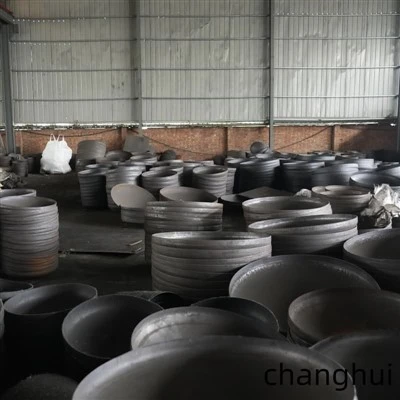
At the end of the day, tank heads are critical parts that keep industrial operations running. If they get damaged in shipping, it causes delays, extra costs, and even safety issues. As a tank heads supplier, our job isn’t just to make the parts—it’s to make sure they get to you in the same condition they left our warehouse. We’ve tested all kinds of packaging methods over the years, learned from mistakes, and now we follow these guidelines every single time.
Tank Heads If you’re in need of tank heads for your next project, or you have questions about specific packaging requirements for your order, reach out to us. We can walk you through exactly how we’ll package your parts, answer any concerns you have, and make sure you get the right parts when you need them. No hidden fees, no flimsy packaging, just parts that arrive intact and ready to install.
References
- ASME Boiler and Pressure Vessel Code, Section VIII: Rules for Construction of Pressure Vessels, American Society of Mechanical Engineers
- Industrial Packaging Guidelines for Heavy Equipment, National Association of Packaging, Handling, and Logistics Engineers (NAPHEL)
- Stainless Steel Packaging Best Practices, Stainless Steel Fabricators Association (SSFA)
- IPPC Heat Treatment Standards for International Shipping, International Plant Protection Convention
Cangzhou Changhui Head Manufacturing Co., Ltd.
We are one of the most professional tank heads manufacturers and suppliers in China, featured by quality products and good price. Please rest assured to wholesale durable tank heads for sale here from our factory. Welcome to view our website for more information.
Address: South Industrial Zone, Yanshan County, Cangzhou City, Hebei Province, China.
E-mail: chunle.zhang@changhuitankhead.com
WebSite: https://www.changhuitankhead.com/
