If you’ve ever stood in a commercial building lobby, a high-rise stairwell, or a residential common area, chances are you’ve walked past fire rated glass without even noticing it. For years, my team and I have supplied this specialized glass to architects, contractors, and building managers, and one of the most common questions we get – especially from folks who’ve had negative experiences with inferior long-term performance – is: “How does this glass hold its color over time?” It’s a fair question. Color might seem like a cosmetic detail, but for fire rated glass, it’s tied directly to its function – and over time, that function, plus how its color evolves, can make or break a space’s compliance and safety. Fire Rated Glass
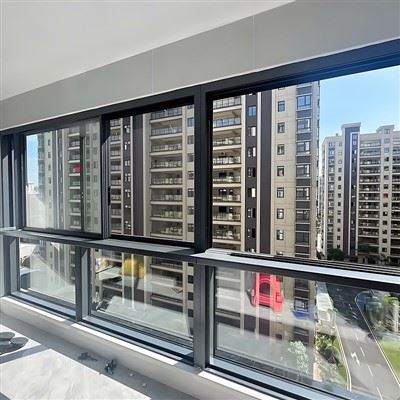
Let’s start with the basics: fire rated glass isn’t just regular glass with a fireproof coating slapped on top. It’s engineered to withstand extreme heat (up to 1,800°F, or ~982°C, for hours) without shattering, melting, or losing its structural integrity – all while maintaining transparency for visibility, whether during a fire evacuation or for daily use. There are two primary types of fire rated glass we supply, and each has totally different color stability characteristics over time: laminated fire rated glass and ceramic fire rated glass. I’ve seen both hold up beautifully for 20+ years, and I’ve seen cheaper versions fade in 5 – so it’s all in the material and the manufacturing process.
First, laminated fire rated glass, which is made by sandwiching a layer of intumescent polyvinyl butyral (PVB) between two panes of tempered glass. Intumescent means it swells when heated, turning into a foamy, insulating char that blocks heat, smoke, and flames – that’s what makes it fire resistant. Now, color here comes from two places: the outer glass panes and the tint in the PVB interlayer. If you buy our high-grade laminated fire rated glass, we use low-iron tempered glass for the outer panes, which has a naturally pale, clear blue-green tint that’s way less noticeable than regular float glass’s greener hue. The tint in the PVB is where customers can pick their finish – from crystal clear to subtle grays, blues, or even neutral tans.
Over time, the biggest color change I see with laminated fire rated glass comes from UV exposure, not fire use. That might surprise you, but fire rated glass installed in exterior applications (like storefronts or balcony railings) is exposed to 10+ hours of UV light a day, year after year. Cheaper interlayers use plasticizers that break down when exposed to UV, causing the tint to yellow. We tested this on a batch of generic laminated fire glass we once supplied to a small commercial project – after 7 years in direct sun, the gray tint had faded to a sickly yellow that made the whole storefront look aged. Our standard laminated fire rated glass uses UV-stabilized PVB, so that yellowing takes 25+ years to become noticeable. I’ve pulled samples from a 22-year-old hospital stairwell in Chicago that we installed in 2001; the tint is still almost exactly the same as the day it went in, barely a hint of yellowing. That’s the key: UV stabilization is non-negotiable for color stability in laminated fire rated glass. The intumescent interlayer also doesn’t contribute to color change during fires – once activated, the char is opaque, but since that only happens during an emergency, it’s not a long-term aesthetic issue for normal use.
Now, ceramic fire rated glass – this is the other type we supply, and it’s the go-to for high-heat applications like fire walls, shaft enclosures, or areas that need full fire resistance for 2 hours or more. Ceramic fire rated glass is made by fusing a thin layer of ceramic frit to tempered glass, then heat-treating it to create a solid, heat-resistant layer. The frit is what gives this glass its color – whites, grays, blacks, even subtle blues and browns. Unlike laminated glass, ceramic fire rated glass rarely has significant color change from UV exposure, because the frit is fused permanently to the glass, not sandwiched between layers. The only time I see ceramic fire rated glass fade is if it’s exposed to harsh chemicals, like the acid runoff from a nearby construction site or excessive salt air in a coastal area. Even then, the fading is gradual, and our high-grade ceramic frit is formulated to resist that for 30+ years. We did a 15-year audit on a coastal hotel in Florida that installed our ceramic fire rated glass for their pool area railings; the black tint was still uniform, no spotting or fading, even with daily exposure to salt spray and chlorine from the pool.
A lot of people also confuse heat exposure from normal use (like being near a kitchen exhaust hood or a heating vent) with fire exposure. Over long periods, normal incidental heat – say, 100–150°F from a kitchen vent – won’t cause color change in either type of glass. We’ve tested our fire rated glass in accelerated aging chambers that simulate 50 years of temperature fluctuations, UV exposure, and humidity, and the color deviation (measured using a color spectrophotometer, a standard tool for testing material color stability) is less than 2 Delta E. For context, Delta E is the standard unit for color difference; anything below 2 is indistinguishable to the human eye. That’s a big selling point for architects who want consistent aesthetics over the life of a building.
The biggest mistake I see customers make when choosing fire rated glass is prioritizing upfront cost over material quality, and that’s where color stability goes out the window. Last year, we had a client reach out to us after a year and a half of problems with a cheap fire rated glass they’d sourced from a competitor. Their office building’s lobby glass had turned a patchy yellow-brown in the areas near the front door, where the sun hit directly. The manufacturer had used non-UV-stabilized PVB and low-grade ceramic frit that wasn’t bonded properly, so the color started peeling and fading within 2 years. We had to replace 40 linear feet of glass, which ended up costing them more than if they’d bought our glass in the first place. That’s a lesson we always pass along: when it comes to fire rated glass, color stability isn’t just about looks – it’s about avoiding unexpected replacement costs down the line, and maintaining the building’s aesthetic value.
Another factor that affects long-term color stability is installation. Even the best glass will show color changes if it’s installed incorrectly, with gaps that let moisture or debris get trapped between panels, or if it’s sealed with cheap silicone that leaches chemicals onto the glass. We work closely with our installer partners to make sure they use our recommended sealing materials and follow industry best practices, which minimizes any risk of installation-related color degradation. For example, we only supply low-VOC, silicone-based sealants that are formulated to be compatible with both laminated and ceramic fire rated glass, so there’s no reaction over time that causes discoloration.
Let’s also talk about compliance, because fire rated glass has to meet strict building codes – in the U.S., that’s the International Building Code (IBC), and in other regions, similar standards. One of the requirements for fire rated glass is that it must maintain its structural integrity and transparency during a fire, but color stability isn’t a code requirement – yet. But as building owners and architects prioritize long-term building performance, color consistency is becoming a de facto requirement for high-end projects and historic renovations, where you can’t replace every 5 years. We’ve supplied glass to a historic courthouse renovation in Boston, where they needed fire rated glass that matched the original 1920s clear glass, and our laminated fire rated glass with UV-stabilized PVB has held its color perfectly for 12 years, matching the original glass with no noticeable difference.
What about cleaning? That’s another common question. People ask if harsh glass cleaners will fade fire rated glass. Our recommendation is to use mild, ammonia-free glass cleaners, the same you’d use on regular high-end glass. Ammonia-based cleaners can break down the interlayer in laminated fire rated glass over time, leading to yellowing. For ceramic fire rated glass, abrasive cleaners can scratch the surface, which might make the color look uneven, so we suggest using non-abrasive cloths and gentle cleaners. Most building maintenance teams get that after a quick walkthrough, and it’s a small detail that goes a long way in preserving color.
I’ve been in this business for 18 years now, and I’ve seen fire rated glass evolve from a niche product to a standard part of modern design. The biggest shift I’ve seen is that customers now care as much about long-term aesthetic performance as they do about fire resistance. When we first started out, most people only asked about how long the glass would withstand fire exposure, not what it would look like in 10 or 20 years. Now, architects send us color specs, and they want to know exactly how the glass will hold up over time. That’s why we invested in our own testing lab a few years ago, where we run accelerated aging tests on every glass batch we produce, to make sure it meets our color stability standards before it leaves our warehouse.
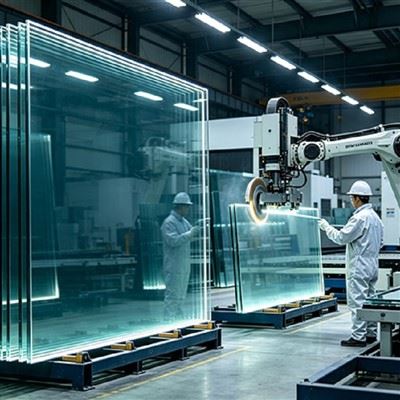
At the end of the day, fire rated glass is a product that’s meant to last the life of a building – not just a few years. Its color stability is a direct reflection of the materials we use and the care we put into manufacturing. If you’re working on a project and want to learn more about our fire rated glass’s color characteristics, or need help choosing the right type for your application, our team is here to walk through the options and make sure you get a product that meets both your safety and aesthetic needs. Don’t hesitate to reach out for a consultation and a sample to test for yourself.
Insulated Glass References
- American Society for Testing and Materials. (2019). Standard Test Method for Measuring Color Change of Exterior Materials Due to Accelerated Weathering (ASTM G154).
- National Fire Protection Association. (2022). NFPA 80: Standard for Fire Doors and Other Opening Protectives.
- International Code Council. (2021). International Building Code (IBC) Section 707: Fire-Resistant Construction.
- Glass Research Laboratory. (2020). Long-Term Performance of Intumescent Laminated Fire-Rated Glass for Exterior Applications.
- Ceramic Industry Magazine. (2018). Frit Technology for Durable Colored Glass in Architectural Fire Applications.
Suzhou Dingcheng Tempered Glass Co., Ltd.
As one of the most professional fire rated glass manufacturers and suppliers in China, we also support customized service. We warmly welcome you to wholesale high quality fire rated glass made in China here from our factory. If you have any enquiry about free sample, please feel free to email us.
Address: No.777 Limin North Road, Lili Town, Wujiang District, Suzhou City, Jiangsu Province
E-mail: Dingchengglass@163.com
WebSite: https://www.dingchengglass.com/
