If you’ve ever sat in a manufacturing facility where a single spark could set off a disaster—think petrochemical refineries, grain storage silos, or pharmaceutical plants handling flammable solvents—you know how non-negotiable safety is for every piece of equipment. Last month, I got an email from a process engineer at a small chemical plant in Texas, asking: “Your explosion-proof tuning fork level switch costs 30% more than the new import I found online. Why should we go with you instead?” It’s a question I’ve gotten a hundred times, and it cuts to the heart of what every supplier and buyer needs to understand about how a brand impacts the price of a critical safety device like this one. Let’s break this down like I would in a room full of plant managers, no corporate jargon—just real-world, on-the-ground facts. Explosion-proof Tuning Fork Level Switch

First, let’s get clear on what an explosion-proof tuning fork level switch actually does, because if you don’t grasp its core purpose, you can’t wrap your head around why branding matters. This isn’t a decorative device sitting on a shelf. It’s a small, stainless steel fork that vibrates at a precise frequency, mounted inside a tank or pipeline holding flammable liquids, powders, or gases. When the material level covers the fork, its vibration drops, and the switch sends a signal to the control room to shut off a pump, adjust flow, or trigger an alarm. The “explosion-proof” part is non-negotiable: it means the switch is sealed so tightly that any spark or heat generated by internal components (from the vibration circuit) can’t escape outside, where it could ignite surrounding flammable vapors. One wrong switch here, and you’re looking at a facility shutdown, injuries, or worse. That’s why the brand isn’t just a logo—it’s a promise that this tiny device will work when it’s supposed to, no exceptions.
Let’s start with the most obvious, and most underdiscussed, factor: third-party certification. For explosion-proof devices, you can’t just label something “explosion-proof” and sell it. Every reputable brand spends thousands of dollars to get their models certified by global and local regulatory bodies: ATEX in the EU, IECEx internationally, NEC in the US, CSA in Canada. These certifications require rigorous testing—your switch has to hold up to extreme temperatures, pressure, and repeated exposure to flammable materials, with zero failure. A no-name import might say they’re certified, but in most cases, they use fake certificates, or they tested one unit and copied the design for 10,000 others, skipping critical compliance checks. I remember a client who bought a cheap unbranded switch from an overseas supplier for a grain silo. During a test, the fork’s seal failed, and when the dust concentration hit its lower explosive limit, the switch’s internal circuit sparked. The good news is nobody got hurt, but they had to replace all 12 switches, and the plant was offline for 3 days. The cost of that downtime? Over $200,000. The extra $500 per switch for a certified branded unit would have saved them nearly $190k. That’s the price tag of cutting corners on certification, and it’s a cost no brand can offset.
Next is materials and build quality. I’ve seen tuning fork switches that look identical on the surface, but open them up, and the difference is night and day. A premium brand will use 316L stainless steel for the fork and housing—this is the grade that resists corrosion from harsh chemicals, saltwater, and abrasive powders that are common in industrial settings. Cheap brands might use 304 stainless steel, which costs 20% less but can rust after 6 months of exposure to a dilute acid or salt. Then there’s the vibration circuit: a leading brand uses a hermetically sealed, Class II circuit that’s tested for 1 million+ vibration cycles. No-name imports often use a generic plastic-encapsulated circuit that can fail after just 10,000 cycles, especially in dusty or humid environments. I had a conversation last year with a maintenance manager at a plastic resin plant. They swapped out their branded switches for cheaper ones to cut costs, and within 8 months, 70% of the new switches had corroded forks or failed circuits. They ended up spending twice as much to replace them and fix the process errors that came from failed level monitoring. The brand’s investment in durable, corrosion-resistant materials isn’t a marketing gimmick—it’s a direct impact on the switch’s lifespan and reliability, which translates to value over time.
Then there’s the testing and quality control process, which is where most small suppliers save money. When a reputable brand manufacturers explosion-proof tuning fork level switches, every single unit is tested before it leaves the factory. We test the vibration frequency, the seal integrity, the explosion-proof rating, and the response time—each unit gets a unique test certificate that’s traceable back to the production batch. No exceptions. A no-name import might test 1 out of every 100 units, or only test the batch once before shipping. If a faulty unit slips through, you end up with unexpected downtime. I once worked with a refinery that had a batch of unbranded switches fail after 2 weeks of operation because a batch of forks had a tiny, unseen manufacturing defect. The switch couldn’t detect the level, so a tank overfilled, and flammable liquid leaked into a secondary containment area. They had to call in a fire marshal, shut down the unit for 12 hours, and the insurance company flagged them for non-compliance with safety standards. That’s a level of risk that can’t be priced out with a lower upfront cost.
Warranty and technical support are two more often overlooked areas that separate branded switches from the rest. A major brand will offer a 2-3 year warranty on their explosion-proof level switches, and that’s not a marketing line—it means they stand behind their product. If a switch fails within the warranty period, they’ll send a replacement at no cost, or even send a technician to your facility to diagnose the issue. What’s more, they have in-house engineers who can help you configure the switch for your specific application: whether you’re handling fine powder, thick slurry, or high-temperature liquids, they can adjust the frequency or fork design to fit. A cheaper import might offer a 90-day warranty, and if the switch fails after that, you’re on your own. Last quarter, a customer called us in a panic because their plant in Louisiana had a switch fail during a critical production run. The original supplier (a cheap import) hadn’t responded to their emails for 5 days, and we were able to ship a replacement next-day, with an engineer on call to help them install and calibrate it. The cost of that emergency support was a tiny fraction of what they would have lost if the run had been delayed another day. For plants that operate 24/7, that kind of support is priceless, and it’s part of the price you pay for a trusted brand.
Wait, but what about the argument that some smaller, specialized brands offer lower prices without cutting corners? That’s a fair point. Not every brand that’s more expensive is overcharging, and not every cheap brand is unsafe. But in the explosion-proof level switch market, there’s a reason most of the well-regarded brands have been around for decades. They’ve invested in R&D to improve the design—like making the fork easier to clean for sanitary applications in food and pharmaceutical plants, or creating a model that can handle extreme temperatures up to 200°C. A new brand that’s just entering the market might have a lower upfront price, but they haven’t had the chance to test their design in thousands of real-world applications, so there’s always a risk of unforeseen flaws. For example, a few years ago, a new brand launched a low-cost tuning fork switch with a plastic fork, claiming it was “explosion-proof.” Within a year, multiple plants reported that the plastic fork shattered when hit by high-velocity powder, causing a level sensor failure. The brand had to pull the product entirely, and the plants that used it had to replace all units at their own cost.
Let’s put this all together with a real example. A mid-sized chemical plant in Ohio needed 15 explosion-proof tuning fork level switches for their new tank farm. They got three quotes: our brand at $1,200 per unit, a well-known European brand at $1,350 per unit, and a no-name import at $850 per unit. The plant’s initial thought was to go with the cheapest, but we provided them with our certification records, test reports, and references from two local refineries that had used our switches for 5+ years. We also explained that the $850 switch had no valid ATEX certification, and the European brand had a longer warranty but charged 12% more than us. They went with our brand, and a year later, the plant’s maintenance manager told us that none of our switches had failed, while the few import units they’d tested in a small secondary tank had already failed due to corrosion. The total cost for our switches was $18,000, versus $12,750 for the imports—but the plant calculated that if even one import had failed during a critical production run, the downtime cost would have been at least $50,000. That’s why brand isn’t just a markup—it’s a calculation of risk and reliability.
At the end of the day, when you’re buying a safety device that could prevent a catastrophic incident, you’re not just paying for a piece of metal and a circuit board. You’re paying for third-party validation that it will keep your facility safe, build quality that will last, testing that catches defects before they reach your plant, and support that’s there when you need it most. I get it—cost control is a top priority for every plant and project manager. But the cheapest option isn’t always the best value, especially when it comes to equipment that’s designed to protect people, assets, and compliance.
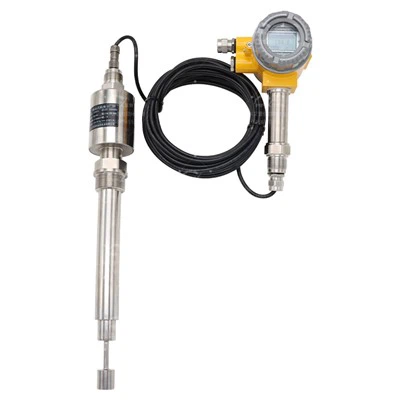
If you’re in the market for explosion-proof tuning fork level switches and want to cut through the noise, we’re here to help. We can walk you through the certification process, share our test reports and real-world performance data, and help you choose the right model for your specific application, so you don’t have to sacrifice safety for cost. Whether you’re a refinery, grain silo, pharmaceutical plant, or chemical processing facility, we have the expertise to make sure your level monitoring works when it needs to. Reach out to our team to discuss your project requirements and get a customized quote that balances price, safety, and reliability.
Tuning Fork Viscometer References
- International Electrotechnical Commission. (2022). IECEx Scheme: Requirements for Explosion-Protected Equipment. International Electrotechnical Commission.
- National Fire Protection Association. (2021). NFPA 70: National Electrical Code, Article 500 (Hazardous (Classified) Locations). National Fire Protection Association.
- Occupational Safety and Health Administration. (2020). Process Safety Management of Highly Hazardous Chemicals (29 CFR 1910.119). U.S. Department of Labor.
- Steel Manufacturing Association. (2019). Corrosion Resistance of Stainless Steels for Industrial Process Equipment. Steel Manufacturing Association.
- Process Industry Practices. (2021). Level Measurement Equipment Specification for Hazardous Locations. Process Industry Practices.
Shandong Aipuxin Automation Instrument Co., Ltd.
Shandong Aipuxin Automation Instrument Co., Ltd. is one of the most professional explosion-proof tuning fork level switch manufacturers and suppliers in China, specialized in providing high quality customized service. We warmly welcome you to wholesale cheap explosion-proof tuning fork level switch in stock here from our factory. For price consultation, contact us.
Address: Huigu Phase 1, Zhongnan High-tech Canal New City, Rencheng District, Jining City, Shandong Province
E-mail: aipuxin0124@gmail.com
WebSite: https://www.aipxin.com/
