Silicon tubing is a versatile and widely used product in various industries, including medical, food and beverage, and laboratory settings. One common concern among potential users is whether silicon tubing emits any odors or gases. As a silicon tubing supplier, I understand the importance of addressing this issue to ensure the safety and satisfaction of our customers. In this blog post, I will delve into the subject and provide a comprehensive overview of the factors that can influence odor and gas emission from silicon tubing. Silicon Tubing
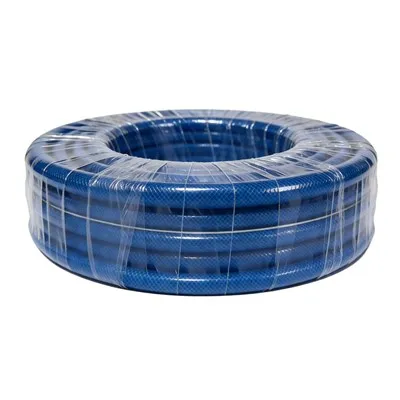
Understanding Silicon Tubing
Silicon tubing is made from silicone rubber, a synthetic elastomer composed of silicon, oxygen, carbon, and hydrogen. It is known for its excellent flexibility, durability, and resistance to high temperatures, chemicals, and UV radiation. These properties make it an ideal choice for applications where reliability and performance are crucial.
Factors Affecting Odor and Gas Emission
1. Manufacturing Process
The manufacturing process plays a significant role in determining the odor and gas emission characteristics of silicon tubing. During the production of silicone rubber, various additives, such as cross – linkers, catalysts, and fillers, are used. If not properly removed or cured, these additives can leave residual compounds that may emit odors or gases.
For example, some silicone rubber formulations use platinum – based catalysts. Inadequate curing of these catalysts can lead to the release of small amounts of volatile organic compounds (VOCs), which may have a noticeable odor. A well – controlled manufacturing process with thorough curing and post – processing steps can minimize the presence of these residual compounds.
2. Quality of Raw Materials
The quality of the raw materials used in silicon tubing production is another key factor. High – quality silicone polymers with low impurity levels are less likely to emit odors or gases. Inferior raw materials may contain contaminants or high levels of volatile substances that can be released over time.
For instance, silicone raw materials sourced from unreliable suppliers may have higher levels of low – molecular – weight siloxanes. These siloxanes can volatilize and cause an unpleasant odor, especially in environments with elevated temperatures.
3. Environmental Conditions
The environment in which the silicon tubing is used and stored can also affect odor and gas emission. High temperatures, for example, can accelerate the volatilization of any residual compounds in the tubing.
In a medical or food processing environment, where temperature control is crucial, proper storage and operation within the recommended temperature range can help reduce the risk of odor and gas emission. Additionally, exposure to chemicals, solvents, or other reactive substances can also cause the silicone tubing to release gases or develop an odor.
Types of Odors and Gases
1. Odors
The odor associated with silicon tubing can vary depending on the factors mentioned above. Some common odors include a faint rubbery smell, which may be more noticeable when the tubing is new. This rubbery odor is often due to the presence of low – molecular – weight siloxanes or other additives. In some cases, if the tubing has been exposed to contaminants or improper storage conditions, it may develop a musty or chemical – like odor.
2. Gases
Silicon tubing may emit a variety of gases, the most common being volatile organic compounds (VOCs). These VOCs can include siloxanes, which are widely used in the silicone industry. At low concentrations, siloxanes are generally considered safe, but in enclosed or poorly ventilated spaces, they may accumulate and cause health concerns. Additionally, oxygen, nitrogen, and carbon dioxide can also be released in small amounts, especially if the tubing is exposed to high temperatures or chemical reactions.
Measuring and Assessing Odor and Gas Emission
To ensure the quality and safety of our silicon tubing, we use a variety of testing methods to measure and assess odor and gas emission. One common method is the headspace analysis, which involves placing a sample of the tubing in a sealed vial and heating it to a specific temperature. The gases released from the tubing are then analyzed using gas chromatography – mass spectrometry (GC – MS) to identify and quantify the volatile compounds.
We also conduct sensory evaluations by trained panelists to assess the odor of the tubing. These panelists evaluate the intensity and character of the odor on a standardized scale. This combination of instrumental and sensory analysis allows us to accurately determine the odor and gas emission characteristics of our silicon tubing products.
Mitigating Odor and Gas Emission
As a silicon tubing supplier, we take several steps to mitigate odor and gas emission in our products:
1. Quality Control in Manufacturing
We have strict quality control measures in place during the manufacturing process. This includes using high – quality raw materials from reliable suppliers and ensuring proper curing and post – processing of the silicone rubber. We regularly monitor the production process to ensure that all the manufacturing parameters are within the specified range.
2. Post – Treatment Processes
After the tubing is manufactured, we may subject it to additional post – treatment processes, such as baking or washing. These processes help to remove any residual compounds and further reduce the odor and gas emission. For example, baking the tubing at a specific temperature for a certain period can volatilize any remaining low – molecular – weight substances.
3. Storage and Packaging
Proper storage and packaging are also important to maintain the quality of the silicon tubing. We store our tubing in a clean, dry, and well – ventilated environment to prevent the growth of mold or the absorption of contaminants. Our packaging is designed to protect the tubing from external factors and minimize the exposure to air and moisture.
Applications and Odor/Gas Considerations
1. Medical Applications
In medical applications, odor and gas emission from silicon tubing can be a critical concern. Patients may be sensitive to any unpleasant odors, and the release of gases can potentially affect the safety and efficacy of medical devices. Our medical – grade silicon tubing is manufactured under strict quality standards and undergoes rigorous testing to ensure that it meets the requirements for odor and gas emission.
2. Food and Beverage Industry
For the food and beverage industry, the odor and gas emission of silicon tubing must comply with relevant food safety regulations. Any odor or gas that could contaminate the food or beverage product is unacceptable. Our food – grade silicon tubing is designed to meet these strict requirements and is made from materials that are safe for contact with food.
3. Laboratory Settings
In laboratory settings, the presence of odors or gases can interfere with experiments and pose a risk to laboratory personnel. Our laboratory – grade silicon tubing is formulated to have low odor and gas emission, ensuring a clean and safe working environment.
Conclusion
In conclusion, while silicon tubing can potentially emit odors and gases, proper manufacturing processes, high – quality raw materials, and appropriate post – treatment steps can significantly reduce these emissions. As a silicon tubing supplier, we are committed to providing our customers with high – quality products that meet the strictest standards for odor and gas emission.
PVC Pipe If you are in the market for silicon tubing and have concerns about odor and gas emission, please do not hesitate to contact us. We can provide you with detailed information about our products, including test results and product specifications. Our team of experts is also available to answer any questions you may have and help you select the right silicon tubing for your specific application. Let’s start a conversation about how we can meet your silicon tubing needs.
References
- ASTM International. "Standard Test Methods for Rubber Property – Determination of Volatile Matter." ASTM D1203, 2021.
- European Pharmacopoeia. "Silicone Rubber Closures and Accessories for Pharmaceutical Use." Chapter 3.2.9, 10th Edition, 2020.
- Food and Drug Administration (FDA). "Code of Federal Regulations: Title 21 – Food and Drugs." Part 177, 2023.
Weifang Xinzhiyuan Plastic Co., Ltd.
As one of the most experienced silicon tubing manufacturers and suppliers in China, we offer a wide range of products with superior quality. Please feel free to wholesale premium silicon tubing made in China here from our factory. We also accept customized orders.
Address: No. 700, Tongle Street, Economic Development Zone, Changle County, Weifang City, Shandong Province
E-mail: hua@xzypvchose.com
WebSite: https://www.pvchose-xzy.com/
