Agricultural implements have long been associated with crop cultivation, from plowing fields to harvesting grains. However, a question that often arises is whether these implements can also be used for livestock farming. As a supplier of agricultural implements, I’ve encountered this query numerous times, and in this blog, we’ll explore the possibilities, limitations, and benefits of using agricultural implements in the realm of livestock farming. Agricultural Implements

Understanding the Overlap between Agriculture and Livestock Farming
At first glance, crop cultivation and livestock farming may seem like two distinct sectors. Crop farming focuses on growing plants for food, fiber, and other products, while livestock farming involves raising animals for meat, milk, eggs, and other animal – based products. But in reality, there is a significant overlap. Both rely on the use of land, and many of the basic principles of land management apply to both.
For example, maintaining a healthy pasture is crucial for livestock. Just as a farmer needs to prepare the soil for crops, the same can be said for creating a good pasture for grazing animals. This is where some agricultural implements can play a role.
Agricultural Implements Suitable for Livestock Farming
1. Tillage Equipment
Tillage equipment such as plows and harrows can be used to prepare the land for pasture establishment. A plow can turn over the soil, burying weeds and incorporating organic matter. This helps to create a loose, fertile seedbed for pasture seeds. Harrows, on the other hand, can break up clods of soil, level the ground, and further prepare the surface for seeding.
For livestock farmers, having a well – prepared pasture is essential. It allows for better grass growth, which in turn provides high – quality forage for the animals. This can reduce the need for supplementary feed and improve the overall health and productivity of the livestock.
2. Seeding Equipment
Seeding equipment like seed drills and broadcast spreaders are not just for crop seeds. They can also be used to sow pasture seeds. A seed drill can place the seeds at a consistent depth, ensuring better germination rates. Broadcast spreaders, on the other hand, can quickly cover large areas with seeds, which is useful for large – scale pasture establishment.
Once the pasture is established, it provides a natural and cost – effective source of food for livestock. It also helps to improve soil health, as the grass roots hold the soil in place, preventing erosion.
3. Mowers and Hay Balers
Mowers are an essential implement for both crop and livestock farming. In the context of livestock, mowers are used to cut grass for hay production. Hay is an important feed source, especially during the winter months when fresh pasture is scarce.
After the grass is cut, hay balers are used to compress the hay into bales for easy storage and transportation. There are different types of hay balers, such as round balers and square balers, each with its own advantages. Round bales are often more suitable for large – scale operations, while square bales are easier to stack and transport in smaller quantities.
4. Fencing Equipment
Fencing is a crucial aspect of livestock farming. It helps to keep the animals within a designated area, protects them from predators, and allows for rotational grazing. Agricultural implements such as post drivers and wire stretchers are used to install and maintain fences.
Post drivers are used to drive fence posts into the ground quickly and efficiently. Wire stretchers, on the other hand, are used to tighten the fencing wire, ensuring a secure and stable fence. A well – maintained fence is essential for the safety and well – being of the livestock.
Limitations and Considerations
While many agricultural implements can be adapted for livestock farming, there are also some limitations and considerations to keep in mind.
1. Specialized Needs
Some livestock farming operations have specialized needs that may not be fully met by standard agricultural implements. For example, dairy farms may require specialized milking equipment, and poultry farms may need specific housing and feeding systems. These are areas where general agricultural implements may not be directly applicable.
2. Size and Scale
The size and scale of the livestock farm can also affect the suitability of agricultural implements. Small – scale livestock farmers may find some large – scale agricultural implements too expensive or cumbersome to use. On the other hand, large – scale operations may require more heavy – duty and high – capacity implements.
3. Maintenance and Training
Using agricultural implements in livestock farming requires proper maintenance and training. Farmers need to ensure that the implements are in good working condition to avoid breakdowns and ensure safety. They also need to be trained on how to use the implements correctly. For example, operating a hay baler requires knowledge of the machine’s settings and safety procedures.
Benefits of Using Agricultural Implements in Livestock Farming
1. Cost – Efficiency
Using agricultural implements in livestock farming can be cost – efficient. For example, by preparing the pasture with tillage equipment and seeding it with suitable grass seeds, farmers can reduce the cost of purchasing supplementary feed. Additionally, using mowers and hay balers to produce their own hay can also save money in the long run.
2. Improved Productivity
Well – maintained pastures and proper feeding systems can improve the productivity of livestock. Animals that have access to high – quality forage are likely to be healthier, grow faster, and produce more milk or meat. This can lead to increased profits for the livestock farmer.
3. Environmental Sustainability
Using agricultural implements to manage pastures can contribute to environmental sustainability. Healthy pastures help to prevent soil erosion, improve water quality, and sequester carbon. This is beneficial for both the farm and the surrounding environment.
Conclusion
In conclusion, many agricultural implements can indeed be used for livestock farming. From tillage equipment to fencing tools, these implements can play a crucial role in pasture establishment, hay production, and overall livestock management. However, it’s important to consider the specialized needs, size, and scale of the livestock farm, as well as the maintenance and training requirements.
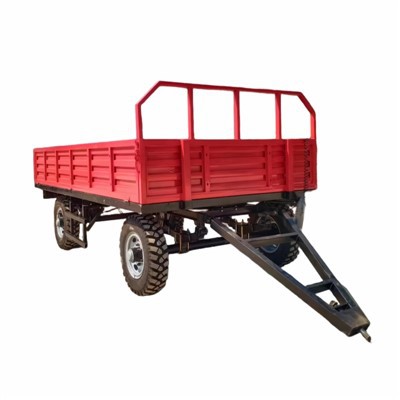
As a supplier of agricultural implements, I understand the diverse needs of farmers, whether they are involved in crop cultivation or livestock farming. Our range of implements is designed to be versatile and adaptable, suitable for a variety of farming operations. If you’re a livestock farmer looking to improve your operations or a new entrant in the livestock sector, I encourage you to explore how our agricultural implements can benefit your farm.
Tractor Attachments If you’re interested in learning more about our products or discussing your specific requirements, please feel free to contact us for a procurement discussion. We’re here to help you find the right solutions for your livestock farming needs.
References
- "Agricultural Machinery and Equipment Handbook", John Wiley & Sons
- "Livestock Farming: Principles and Practices", Prentice Hall
- Various research papers on agricultural implement use in livestock management from academic journals such as the Journal of Animal Science and the Agricultural Engineering International.
Shandong Ling Ke Industry Group Co., Ltd.
As one of the most professional agricultural implements manufacturers and suppliers in China, we’re featured by quality products and good price. Please rest assured to buy cheap agricultural implements for sale here from our factory. We also accept customized orders.
Address: 50 Meters West of the Connecting Road Between Jiuma Road and Shima Road, Fangzi District, Weifang City, Shandong Province, P.R.China
E-mail: aileenlin@sdlingkegroup.com
WebSite: https://www.lingketractor.com/
