Is Fisher Ball Valve Suitable for Corrosive Fluids?
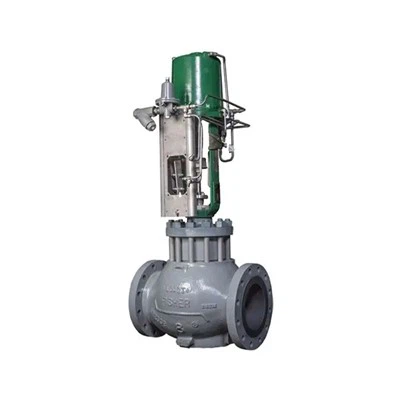
As a supplier of Fisher Ball Valves, I’ve encountered numerous inquiries regarding the suitability of these valves for handling corrosive fluids. This topic is of utmost importance, especially in industries where the transportation and control of corrosive substances are daily operations. In this blog, I’ll delve into the characteristics of Fisher Ball Valves and analyze their performance when dealing with corrosive fluids. Fisher Ball Valve

Understanding Corrosive Fluids
Before discussing the suitability of Fisher Ball Valves for corrosive fluids, it’s essential to understand what corrosive fluids are. Corrosive fluids can be classified into two main types: acidic and alkaline. Acidic fluids, such as sulfuric acid, hydrochloric acid, and nitric acid, have a low pH value and can react with many metals, causing them to corrode. Alkaline fluids, like sodium hydroxide and potassium hydroxide, have a high pH value and can also cause corrosion, especially to certain metals and alloys.
In addition to acids and alkalis, other substances such as salts, oxidizing agents, and organic solvents can also be corrosive. The corrosiveness of a fluid depends on various factors, including its chemical composition, concentration, temperature, and flow rate.
Features of Fisher Ball Valves
Fisher Ball Valves are known for their high – performance design and durability. They are designed to provide reliable flow control in a wide range of applications. Some of the key features of Fisher Ball Valves include:
- Robust Construction: Fisher Ball Valves are typically made of high – quality materials such as stainless steel, carbon steel, and alloy steel. These materials offer excellent mechanical strength and can withstand high pressures and temperatures.
- Precise Flow Control: The ball design of Fisher Ball Valves allows for precise flow regulation. The ball rotates within the valve body, and the opening and closing of the valve can be accurately controlled, ensuring a stable flow rate.
- Low Torque Operation: Fisher Ball Valves are designed to operate with low torque, which means less energy is required to open and close the valve. This not only reduces operating costs but also extends the service life of the valve.
- Sealing Performance: The sealing mechanism of Fisher Ball Valves is designed to provide a tight seal, preventing leakage of fluids. This is crucial when dealing with corrosive fluids, as even a small leak can cause significant damage to the surrounding environment.
Suitability for Corrosive Fluids
The suitability of Fisher Ball Valves for corrosive fluids depends on several factors, including the type of corrosive fluid, the material of the valve, and the operating conditions.
- Material Selection: One of the most important factors in determining the suitability of a valve for corrosive fluids is the material of the valve. Fisher offers a wide range of materials for its ball valves, including stainless steel (such as 316L), Hastelloy, and titanium. Stainless steel is a common choice for many applications due to its good corrosion resistance. However, for more aggressive corrosive fluids, materials like Hastelloy and titanium may be required. Hastelloy is a nickel – based alloy that offers excellent resistance to a wide range of corrosive chemicals, including acids and oxidizing agents. Titanium is also highly corrosion – resistant, especially in chloride – containing environments.
- Coatings and Linings: In addition to using corrosion – resistant materials, Fisher Ball Valves can also be coated or lined to enhance their corrosion resistance. For example, a valve can be coated with a fluoropolymer such as PTFE (polytetrafluoroethylene), which provides a non – stick and highly corrosion – resistant surface. Linings can also be used to protect the valve body from direct contact with corrosive fluids.
- Operating Conditions: The operating conditions, such as temperature, pressure, and flow rate, also play a crucial role in the suitability of Fisher Ball Valves for corrosive fluids. High temperatures can accelerate the corrosion process, and high pressures can increase the stress on the valve. Therefore, it’s important to select a valve that is designed to withstand the specific operating conditions.
Case Studies
To illustrate the suitability of Fisher Ball Valves for corrosive fluids, let’s look at some real – world case studies.
- Chemical Industry: In a chemical plant, Fisher Ball Valves made of Hastelloy were used to control the flow of sulfuric acid. The valves were able to withstand the highly corrosive nature of sulfuric acid and provided reliable flow control for several years without any significant corrosion or leakage.
- Wastewater Treatment: In a wastewater treatment facility, Fisher Ball Valves with PTFE linings were used to handle alkaline wastewater. The PTFE lining provided excellent protection against the corrosive effects of the alkaline fluid, and the valves operated smoothly and efficiently.
Advantages of Using Fisher Ball Valves for Corrosive Fluids
There are several advantages of using Fisher Ball Valves for corrosive fluids:
- Reliability: Fisher Ball Valves are known for their reliability. They are designed and manufactured to meet high – quality standards, ensuring long – term performance in corrosive environments.
- Cost – Effectiveness: Although the initial cost of Fisher Ball Valves may be higher than some other valves, their long service life and low maintenance requirements make them a cost – effective solution in the long run.
- Customization: Fisher offers a wide range of customization options for its ball valves. This allows customers to select the right valve for their specific application, taking into account factors such as the type of corrosive fluid, operating conditions, and flow requirements.
Conclusion
In conclusion, Fisher Ball Valves are generally suitable for handling corrosive fluids. With the right material selection, coatings, and linings, these valves can provide reliable and efficient flow control in a wide range of corrosive environments. Whether it’s in the chemical industry, wastewater treatment, or other applications, Fisher Ball Valves have proven their ability to withstand the challenges posed by corrosive fluids.
Valve Actuator If you are in need of a reliable valve solution for your corrosive fluid applications, I encourage you to contact us for a detailed consultation. Our team of experts can help you select the most suitable Fisher Ball Valve for your specific needs. We look forward to discussing your requirements and providing you with the best valve solution.
References
- "Valve Handbook: Principles and Applications", by Allan R. Budris
- "Corrosion and Corrosion Control", by H. H. Uhlig and R. W. Revie
Century Weiye (Dalian) Control Equipment Co., Ltd.
As one of the leading fisher ball valve manufacturers and suppliers in China, we warmly welcome you to buy discount fisher ball valve in stock here from our factory. If you have any enquiry about quotation, please feel free to email us. Quality products and reasonable price are available.
Address: 2205, Building 8, Red Star International, Ganjingzi District, Dalian City, Liaoning Province
E-mail: serena@valvesjwy.com
WebSite: https://www.valve-sjwy.com/
