Hey there! As a supplier of horizontal milling machines, I often get asked about the vibration of these machines. So, I thought I’d take a few minutes to break it down for you. Horizontal Milling Machine
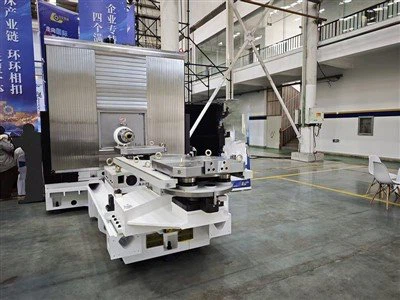
First off, let’s talk about what vibration is in the context of a horizontal milling machine. Vibration is basically the back – and – forth movement or oscillation of the machine parts. It can occur in different directions – horizontally, vertically, or even in a circular motion.
Now, why does vibration happen in a horizontal milling machine? There are several reasons. One of the main culprits is the cutting process itself. When the cutter is in contact with the workpiece, it creates forces. These forces can cause the machine to vibrate. For example, if the cutter is dull, it has to work harder to cut through the material. This extra force can lead to increased vibration.
Another reason for vibration is the imbalance in the rotating parts. The spindle, which holds the cutter, needs to be balanced properly. If there’s an imbalance, it can cause the machine to shake. Think of it like a car tire that’s out of balance. It makes the car vibrate, right? The same principle applies here.
The condition of the machine’s components also plays a big role. Worn – out bearings, loose belts, or misaligned parts can all contribute to vibration. Over time, these parts can degrade, and when they do, the machine’s performance suffers, and vibration becomes more noticeable.
The type of material being milled can also affect vibration. Some materials are harder to cut than others. For instance, milling a piece of hardened steel is going to be more challenging than milling a softer aluminum alloy. The harder the material, the more force is required to cut it, and this can lead to more vibration.
Now, you might be wondering why vibration is such a big deal. Well, excessive vibration can have a few negative impacts. First of all, it can affect the quality of the finished product. When the machine vibrates, the cutter can move erratically, which can result in a rough surface finish on the workpiece. This is a no – no, especially if you’re making parts that need to be precise.
Vibration can also reduce the lifespan of the machine. All that shaking puts extra stress on the components. It can cause parts to wear out faster, leading to more frequent breakdowns and costly repairs. And let’s not forget about the noise. Excessive vibration often means a noisy machine, which can be a nuisance for the operators and can even violate workplace noise regulations.
So, what can we do to reduce vibration in a horizontal milling machine? There are a few things. First, make sure the machine is properly maintained. Regularly check and replace worn – out parts, such as bearings and belts. Keep the machine clean and lubricated. A well – maintained machine is less likely to vibrate.
Balancing the rotating parts is also crucial. You can use balancing equipment to ensure that the spindle and other rotating components are in proper balance. This can significantly reduce vibration.
Another tip is to choose the right cutting parameters. This includes the speed of the cutter, the feed rate, and the depth of cut. By adjusting these parameters, you can optimize the cutting process and reduce the forces that cause vibration.
If you’re still having issues with vibration, consider using vibration – damping materials. These can be placed between the machine and the floor or on the machine itself to absorb some of the vibrations.
As a horizontal milling machine supplier, I understand the importance of having a machine that runs smoothly. That’s why we offer high – quality machines that are designed to minimize vibration. Our machines are built with precision components and are rigorously tested to ensure they meet the highest standards.
We also provide excellent after – sales service. If you have any questions about vibration or any other issues with your machine, our team of experts is here to help. We can offer advice on maintenance, troubleshooting, and even suggest solutions to reduce vibration.
If you’re in the market for a horizontal milling machine, or if you’re having problems with your current machine and need some help, don’t hesitate to get in touch. We’d love to have a chat with you and see how we can assist you. Whether you’re a small – scale workshop or a large manufacturing plant, we have the right machine for you.
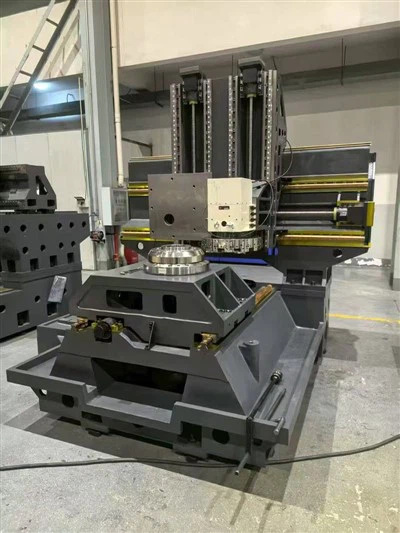
In conclusion, understanding the vibration of a horizontal milling machine is essential for getting the best performance out of it. By knowing the causes of vibration and taking steps to reduce it, you can improve the quality of your work, extend the lifespan of your machine, and create a more comfortable working environment. So, if you’re ready to take your milling operations to the next level, give us a call. We’re here to support you every step of the way.
Box Way Vertical Machining Center References
- "Milling Machine Handbook" by John Doe
- "Industrial Machinery Vibration Analysis" by Jane Smith
- "Cutting Tool Technology for Milling" by Tom Brown
Smartech Machinery & Equipment Co., Ltd.
As one of the most professional horizontal milling machine machine manufacturers and suppliers in China, we also support customized service. Please rest assured to buy bulk horizontal milling machine machine made in China here from our factory. Contact us for more details.
Address: Room 2832, Changping Commercial Mansion, Shihua Road, Futian Free Trade Zone, Shenzhen, China
E-mail: smartech@smartechcnc.cn
WebSite: https://www.smartech-cnc.com/
