As a supplier of liquefaction storage equipment, I understand the critical importance of personnel training in ensuring the safe and efficient operation of our products. In this blog, I will delve into the specific personnel training requirements for operating liquefaction storage equipment, based on industry best practices and regulatory standards. Liquefaction Storage Equipment

Understanding Liquefaction Storage Equipment
Liquefaction storage equipment is designed to store liquefied gases, such as liquefied natural gas (LNG), liquefied petroleum gas (LPG), and other cryogenic liquids. These gases are stored at extremely low temperatures and high pressures, which requires specialized knowledge and skills to handle safely.
The equipment typically includes storage tanks, pumps, valves, and other components that are designed to maintain the integrity of the stored liquefied gas. The operation of this equipment involves various processes, such as filling, transfer, and vaporization, which must be carried out with precision and care.
Training Requirements for Operators
Basic Knowledge and Skills
Operators of liquefaction storage equipment should have a solid understanding of the physical and chemical properties of the liquefied gases they are handling. This includes knowledge of the boiling points, flash points, and flammability limits of the gases, as well as the potential hazards associated with their storage and handling.
In addition, operators should be familiar with the basic principles of thermodynamics, fluid mechanics, and heat transfer, as these concepts are essential for understanding the operation of the equipment. They should also have a good understanding of safety procedures and regulations, including the proper use of personal protective equipment (PPE) and the handling of emergency situations.
Equipment-Specific Training
Operators should receive comprehensive training on the specific liquefaction storage equipment they will be operating. This training should cover the equipment’s design, operation, maintenance, and troubleshooting procedures.
For example, operators should be trained on how to properly start and stop the equipment, how to monitor and control the pressure, temperature, and level of the stored liquefied gas, and how to perform routine maintenance tasks, such as inspections and lubrication. They should also be trained on how to identify and troubleshoot common problems, such as leaks, blockages, and equipment malfunctions.
Safety Training
Safety is of utmost importance when operating liquefaction storage equipment. Operators should receive extensive safety training, including training on the proper use of PPE, the handling of hazardous materials, and the prevention of fires, explosions, and other accidents.
The safety training should also cover emergency response procedures, such as how to evacuate the area in case of an emergency, how to use fire extinguishers and other safety equipment, and how to communicate with emergency responders.
Regulatory Compliance Training
Operators of liquefaction storage equipment must comply with various local, national, and international regulations. They should receive training on these regulations, including the requirements for equipment installation, operation, and maintenance, as well as the reporting and record-keeping requirements.
For example, operators should be familiar with the regulations regarding the storage and handling of liquefied gases, such as the National Fire Protection Association (NFPA) codes and standards, the Occupational Safety and Health Administration (OSHA) regulations, and the International Maritime Organization (IMO) regulations.
Training Requirements for Maintenance Personnel
Technical Knowledge and Skills
Maintenance personnel should have a high level of technical knowledge and skills in the areas of mechanical, electrical, and instrumentation engineering. They should be familiar with the design, operation, and maintenance of the liquefaction storage equipment, as well as the principles of preventive maintenance and troubleshooting.
In addition, maintenance personnel should have a good understanding of the safety procedures and regulations related to the maintenance of the equipment. They should be trained on how to properly use tools and equipment, how to perform inspections and tests, and how to repair and replace components.
Equipment-Specific Training
Maintenance personnel should receive comprehensive training on the specific liquefaction storage equipment they will be maintaining. This training should cover the equipment’s design, operation, maintenance, and troubleshooting procedures.
For example, maintenance personnel should be trained on how to perform routine maintenance tasks, such as inspections, lubrication, and calibration, as well as how to repair and replace components, such as pumps, valves, and sensors. They should also be trained on how to identify and troubleshoot common problems, such as leaks, blockages, and equipment malfunctions.
Safety Training
Safety is also a critical aspect of maintenance work. Maintenance personnel should receive extensive safety training, including training on the proper use of PPE, the handling of hazardous materials, and the prevention of fires, explosions, and other accidents.
The safety training should also cover emergency response procedures, such as how to evacuate the area in case of an emergency, how to use fire extinguishers and other safety equipment, and how to communicate with emergency responders.
Regulatory Compliance Training
Maintenance personnel must also comply with various local, national, and international regulations. They should receive training on these regulations, including the requirements for equipment installation, operation, and maintenance, as well as the reporting and record-keeping requirements.
For example, maintenance personnel should be familiar with the regulations regarding the storage and handling of liquefied gases, such as the NFPA codes and standards, the OSHA regulations, and the IMO regulations.
Training Requirements for Supervisors
Leadership and Management Skills
Supervisors of liquefaction storage equipment should have strong leadership and management skills. They should be able to effectively manage a team of operators and maintenance personnel, set clear goals and expectations, and provide guidance and support to their team members.
In addition, supervisors should have a good understanding of the business operations and financial aspects of the liquefaction storage facility. They should be able to develop and implement strategies to improve the efficiency and profitability of the facility, as well as to ensure compliance with regulatory requirements.
Technical Knowledge and Skills
Supervisors should also have a high level of technical knowledge and skills in the areas of mechanical, electrical, and instrumentation engineering. They should be familiar with the design, operation, and maintenance of the liquefaction storage equipment, as well as the principles of preventive maintenance and troubleshooting.
In addition, supervisors should have a good understanding of the safety procedures and regulations related to the operation and maintenance of the equipment. They should be able to identify and address potential safety hazards, and to ensure that all personnel are properly trained and equipped to handle the equipment safely.
Training and Development
Supervisors should be responsible for the training and development of their team members. They should ensure that all operators and maintenance personnel receive the necessary training and certification to perform their jobs safely and effectively.
In addition, supervisors should encourage continuous learning and development among their team members, and provide opportunities for them to improve their skills and knowledge.
Conclusion
In conclusion, the personnel training requirements for operating liquefaction storage equipment are extensive and complex. Operators, maintenance personnel, and supervisors all need to have a solid understanding of the physical and chemical properties of the liquefied gases they are handling, as well as the design, operation, and maintenance of the equipment.
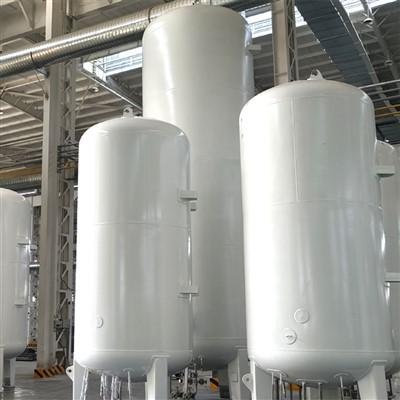
In addition, all personnel should receive comprehensive safety training and be familiar with the regulatory requirements related to the storage and handling of liquefied gases. By investing in the training and development of their personnel, companies can ensure the safe and efficient operation of their liquefaction storage facilities, and minimize the risk of accidents and incidents.
Industrial By-product Gas Recovery Unit If you are interested in learning more about our liquefaction storage equipment or our training programs, please feel free to contact us to discuss your specific needs and requirements. We look forward to the opportunity to work with you.
References
- National Fire Protection Association (NFPA). (2023). NFPA 59A: Standard for the Production, Storage, and Handling of Liquefied Natural Gas (LNG).
- Occupational Safety and Health Administration (OSHA). (2023). OSHA Standards for the Storage and Handling of Liquefied Gases.
- International Maritime Organization (IMO). (2023). International Code for the Construction and Equipment of Ships Carrying Liquefied Gases in Bulk (IGC Code).
Xinxiang Jiale Intelligent Equipment Co., Ltd.
As one of the leading liquefaction storage equipment manufacturers and suppliers in China, we also support customized service. Please feel free to buy high quality liquefaction storage equipment for sale here from our factory. Contact us for more details.
Address: No.3913, 9th Floor, Unit 3, East Commercial and Office Complex, Baolong City Plaza, Hongqi District, Xinxiang City, Henan Province, China
E-mail: cc2397410@gmail.com
WebSite: https://www.jialeasu.com/
