As a seasoned stamping die supplier, I’ve witnessed firsthand the distinct characteristics and applications of cold stamping dies and hot stamping dies. In this blog, I’ll delve into the differences between these two types of stamping dies, shedding light on their unique features, advantages, and suitable scenarios. Stamping Die

Material and Temperature Considerations
The most fundamental difference between cold stamping dies and hot stamping dies lies in the temperature at which the stamping process occurs. Cold stamping is carried out at room temperature, typically without any external heating of the workpiece. This method is suitable for a wide range of materials, including mild steel, stainless steel, aluminum, and copper. Cold stamping takes advantage of the material’s natural ductility and strength at room temperature to shape the workpiece.
On the other hand, hot stamping involves heating the workpiece to a specific temperature before the stamping process. The elevated temperature makes the material more malleable, allowing for more complex shapes and higher precision. Hot stamping is commonly used for high-strength steels and other materials that are difficult to form at room temperature. The heating process softens the material, reducing the force required for stamping and minimizing the risk of cracking or deformation.
Tooling and Equipment
The tooling and equipment used in cold stamping and hot stamping also differ significantly. Cold stamping dies are typically made of high-strength tool steels, such as D2 or A2, which can withstand the high pressures and stresses generated during the stamping process. These dies are designed to be durable and long-lasting, with precise cutting edges and forming surfaces. Cold stamping presses are also relatively simple and cost-effective, making them suitable for high-volume production.
Hot stamping dies, on the other hand, require more advanced tooling and equipment. The dies are often made of special heat-resistant materials, such as H13 or W1, to withstand the high temperatures involved in the process. In addition, hot stamping presses are equipped with heating systems to ensure that the workpiece is heated to the appropriate temperature before stamping. These presses are more complex and expensive than cold stamping presses, but they offer greater flexibility and precision.
Process and Precision
Cold stamping is a relatively simple and straightforward process. The workpiece is placed between the die and the punch, and the press applies a high force to deform the material into the desired shape. Cold stamping can achieve high precision and repeatability, making it suitable for mass production of parts with consistent dimensions. However, cold stamping has limitations when it comes to forming complex shapes or working with high-strength materials.
Hot stamping, on the other hand, offers greater flexibility and precision in forming complex shapes. The heated workpiece can be easily deformed into intricate geometries, allowing for the production of parts with high accuracy and quality. Hot stamping also reduces the risk of springback, which is a common problem in cold stamping. However, hot stamping is a more complex and time-consuming process, requiring careful control of the heating and cooling cycles to ensure the desired properties of the final product.
Applications and Industries
Cold stamping is widely used in a variety of industries, including automotive, electronics, and consumer goods. It is commonly used for the production of simple parts, such as brackets, washers, and panels. Cold stamping is also suitable for high-volume production, as it can be automated and integrated into production lines.
Hot stamping, on the other hand, is primarily used in the automotive industry for the production of high-strength parts, such as body frames, bumpers, and door panels. The high strength and lightweight properties of hot-stamped parts make them ideal for improving the safety and fuel efficiency of vehicles. Hot stamping is also used in other industries, such as aerospace and construction, where high-strength materials are required.
Cost and Efficiency
The cost and efficiency of cold stamping and hot stamping also vary depending on the specific application and requirements. Cold stamping is generally more cost-effective than hot stamping, as it requires less expensive tooling and equipment. Cold stamping is also faster and more efficient, making it suitable for high-volume production. However, cold stamping may not be suitable for complex shapes or high-strength materials, which may require hot stamping.
Hot stamping, on the other hand, is more expensive than cold stamping due to the higher cost of tooling, equipment, and energy. Hot stamping is also a more time-consuming process, as it requires heating and cooling cycles. However, hot stamping can produce parts with higher strength and precision, which may justify the higher cost in certain applications.
Conclusion
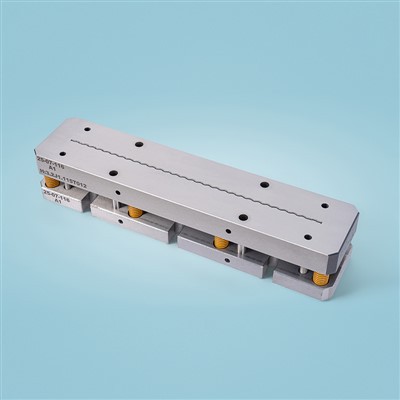
In conclusion, cold stamping dies and hot stamping dies have distinct characteristics and applications. Cold stamping is suitable for simple parts and high-volume production, while hot stamping is ideal for complex shapes and high-strength materials. As a stamping die supplier, I understand the importance of choosing the right stamping method for each application. By considering the material, shape, and production volume, we can help our customers select the most suitable stamping die and process to meet their needs.
Automatic Feeding Machine If you’re interested in learning more about our stamping die products and services, or if you have any questions or inquiries, please don’t hesitate to contact us. We’re here to provide you with the best solutions and support for your stamping needs.
References
- Smith, J. (2018). Stamping Die Design and Manufacturing. New York: McGraw-Hill.
- Jones, R. (2019). Hot Stamping Technology and Applications. London: Elsevier.
- Brown, S. (2020). Cold Stamping Processes and Materials. Chicago: Wiley.
Suichang Lvye Machinery Co., Ltd.
We are one of the most professional stamping die manufacturers in China, also support customized service with low price. We warmly welcome you to buy discount stamping die for sale here from our factory. If you have any enquiry about quotation, please feel free to email us.
Address: No. 402, Mudanting East Road, Miaogao Street, Suichang County, Lishui City, Zhejiang Province
E-mail: L528753@outlook.com
WebSite: https://www.suichanglvye.com/
