If you’re running a warehouse, distribution center, or even a small manufacturing facility, electric stackers are probably the workhorses you rely on daily. They move pallets, stock shelves, and make light work of lifting heavy loads that would take a team of people hours to handle. But here’s the thing I’ve noticed as a stacker supplier: most of my clients don’t talk enough about corrosion—until it’s too late. I’ve seen perfectly good electric stackers get sidelined way before their time because of rust eating away at metal parts, failing electrical connections, or corroded hydraulic systems. It’s such a preventable issue, so today I want to break down the anti-corrosion measures we actually recommend for our electric stackers, straight from a guy who spends his days talking about these machines, not a textbook. Electric Stackers
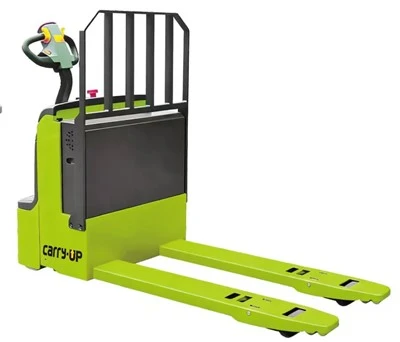
First off, let’s be real—where do most electric stackers live? They’re either outside loading docks getting blasted with rain, snow, and road salt in winter, or inside warehouses that get steamy, have spills of cleaning chemicals or even soda from break rooms, and have high humidity from loading bays left open all day. Corrosion isn’t just ugly—it’s dangerous. It can make lifting parts weaker, cause electrical shorts that fry the motor or control panel, and even make the hydraulics seize up mid-lift. That’s why we don’t just sell you a stacker and walk away; we give a whole playbook on protecting it from the stuff that breaks it down.
Let’s start with the most basic (and often overlooked) line of defense: regular cleaning. I know, I know—when you’re swamped moving pallets all day, wiping down a stacker is probably the last thing on your to-do list. But trust me, this is the cheapest anti-corrosion measure there is. Dirt, dust, and grime hold moisture against metal parts, acting like a little sponge. If you’re working in an area with road salt (hello, anyone in a snowy climate), that salt is basically rust bait. We tell all our clients to do a quick wipe-down of the undercarriage, forks, and any exposed metal parts at the end of every shift—especially if the stacker was used outside. For deeper cleans, maybe once a month if you’re in a super dirty environment, use a mild detergent and low-pressure water (no power washers, by the way—too much pressure can push water into bearings or electrical seals where it shouldn’t be). Skip the harsh chemicals too—they might clean grease off the forks, but they’ll strip protective coatings and speed up corrosion.
Next, the protective coatings we apply at the factory, and how you can maintain them. When we build our stackers, we don’t just paint them any old color. We use a two-step process: first, a zinc-rich primer that bonds to the metal and acts as a barrier, then a topcoat of industrial-grade polyurethane that’s tough enough to handle scrapes from pallets and spills, but also keeps moisture out. But that coating isn’t invincible—if you scrape it on a concrete post or a rough pallet edge, you expose the metal underneath. So the fix here is touch-up paint. We give every client a small touch-up kit for exactly this reason, and we tell them to use it within 48 hours of a scratch or chip. Waiting just lets a little moisture get in, and next thing you know, that small chip turns into a rust spot. Also, for any parts that don’t get painted—like the hydraulic cylinders or bolts—we use a galvanized coating. Galvanizing is basically dipping metal in zinc, which corrodes before the steel does. It’s a bit more expensive upfront, but it saves you a ton of money in repairs later.
Then there’s the electrical system, which is probably the most common corrosion culprit no one thinks about. Electric stackers have all kinds of wires, connectors, and the control panel—all of which hate moisture and dust. If corrosion gets on the connectors, it can cause intermittent power, dead batteries, or even make the controls stop working entirely. So what do we do (and recommend)? First, we seal all electrical connections with dielectric grease. It’s that silicone-based stuff that keeps water out while still letting electricity flow. You put a thin layer on every connector terminal, and it creates a barrier that stops moisture and road grime from getting in. We also use sealed connectors for all exposed wiring, not the open, pin-style ones that collect dirt. Another thing: keep the battery compartment dry. A lot of spills end up in there, especially if you’re moving wet pallets. If you get liquid in there, wipe it out immediately and let it air dry (don’t use compressed air, which can push moisture into tiny spots). And check the battery terminals every month—if you see white, crusty buildup (that’s lead corrosion), clean it off with a mixture of baking soda and water, then dry thoroughly before putting the terminals back on.
Hydraulic systems are another weak spot for corrosion. The hydraulic fluid isn’t just for lifting—it’s actually designed to lubricate and protect the internal parts, right? But only if you change it regularly. Old, dirty hydraulic fluid has water in it (from condensation over time) and tiny metal particles that scratch cylinders and cause corrosion. We recommend changing the hydraulic fluid every 500 operating hours, or at least once a year, whichever comes first. Also, check the hydraulic hoses for any cracks or tears—if the outer layer is damaged, moisture can get inside and eat away at the inner lines. If you spot a hole, replace the hose immediately; don’t try to patch it, because that’s just a rust waiting to happen.
Wait, what about storage? A lot of warehouses have a spot where stackers sit overnight, sometimes for days if they’re not being used. If you’re storing a stacker outside for any length of time (even just over a snow season), you absolutely need a cover. Not the thin, flimsy tarp that tears after a week—get a heavy-duty, UV-resistant cover that’s made specifically for material handling equipment. It keeps rain, snow, and direct sunlight (which breaks down coatings) off the machine. If you have to store it inside, pick a dry, well-ventilated area—don’t tuck it away in a corner of the warehouse where the air is still and humid. If you can, run the stacker for 10 minutes a week when it’s not in use; that circulates the hydraulic fluid and keeps moisture from sitting in lines.
Let me also talk about the parts we use that are made for corrosion resistance, not just off-the-shelf stuff. When we source parts for our stackers, we don’t go to the cheapest supplier. For example, the forks are made from high-strength steel that’s been through a special quenching process, then coated with that polyurethane topcoat we talked about. The mast components (the part that lifts loads up) are aluminum alloy, which is naturally corrosion-resistant—way better than regular steel for that part of the machine. Even the wheels—we use rubber or polyurethane wheels, not metal, because metal wheels would rust if they’re rolling over wet docks. I know some suppliers skimp here, but cutting corners on parts is just going to lead to you dealing with rust later, and that’s bad for both of us.
I’ve had clients tell me they tried to “save money” by skipping some of these steps, only to end up with a stacker that couldn’t lift 1,000 pounds because the mast was seized with rust, or a control panel that died because of a short circuit from corroded wires. The repair bill for that? Way more than it would have cost to do regular cleaning and touch-ups. Another thing I see is people using generic lubricants on the moving parts—like WD-40, which is great for loosening stuck bolts, but it evaporates quickly and doesn’t provide long-term protection. We recommend a lithium-based grease for joints and moving parts; it’s thick, stays on even when the machine is running in cold or hot weather, and keeps moisture out.
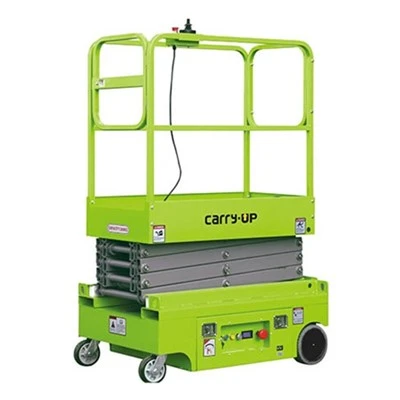
Oh, and one quick tip for cold climates: if you’re using your stacker outside in temperatures below freezing, make sure to remove any snow or ice from the forks, mast, and controls before bringing it inside. When you bring a cold, snowy machine into a warm warehouse, condensation forms everywhere—all that moisture turns into rust if it sits there. Wipe it down as soon as you get it inside, and maybe even leave the battery compartment open for an hour to air out.
Electric Pallet Truck At the end of the day, anti-corrosion for electric stackers isn’t rocket science. It’s small, consistent steps that take 10 minutes a day, plus a few scheduled maintenance checks. As a supplier, my goal isn’t just to sell you a stacker—it’s to make sure that stacker works for you for 5, 10, even 15 years. Corrosion doesn’t have to be a given if you take the right measures. If you’re looking for a new electric stacker, or you want to chat about how to better protect the ones you already have, feel free to reach out to talk over your specific needs. I’m happy to walk you through what works for your warehouse, whether you’re in a humid coastal area, a snowy northern state, or somewhere in between. Don’t wait until rust derails your operations—being proactive now will save you so much headache and cash down the line.
References
- Material Handling Industry Association. Corrosion Prevention Guidelines for Industrial Lift Equipment. Charlotte, NC: MHIA, 2021.
- American Society of Mechanical Engineers. Standard Practice for Corrosion Control of Material Handling Machinery. New York, NY: ASME, 2019.
- Bosch Automotive Service Solutions. Electrical Connector Protection Guidelines for Industrial Electric Vehicles. Farmington Hills, MI: Bosch, 2020.
Hangzhou Carry Equipment Co., Ltd.
Hangzhou Carry Equipment Co., Ltd. is one of the most professional electric stackers manufacturers and suppliers in China, also supports customized service. Please feel free to buy advanced electric stackers for sale here and get quotation from our factory. For price consultation, contact us.
Address: No.360 Tongxiang Rd., Yinzhou Economic Development Zone, Yinzhou Dist., Ningbo, China
E-mail: Sales@carryupmhe.com
WebSite: https://www.carrymhe.com/
