As a cat litter supplier deeply entrenched in the industry, I often encounter a pressing query from cat owners: "Is there a cat litter that is hypoallergenic?" This question is not just a passing curiosity; it strikes at the heart of a significant issue for many households where feline friends co – exist with allergy – prone individuals. Cat Litter
Understanding Allergies Related to Cat Litter
Before we delve into whether hypoallergenic cat litter exists, it’s crucial to understand what causes allergies in the first place. Cat allergies are commonly associated with a protein called Fel d 1, which is found in a cat’s saliva, urine, and dander. However, cat litter can also be a trigger for allergies.
Traditional cat litters, such as those made from clay, can produce a significant amount of dust. When a cat digs, buries its waste, or jumps in and out of the litter box, this dust becomes airborne. Inhalation of this dust can cause respiratory problems, itchy eyes, and sneezing in sensitive individuals. Moreover, some scented cat litters contain artificial fragrances and chemicals that can irritate the skin and respiratory system of both humans and cats.
The Concept of Hypoallergenic Cat Litter
The term "hypoallergenic" is often used in the consumer market to describe products that are less likely to cause an allergic reaction. In the context of cat litter, a hypoallergenic cat litter should minimize the potential allergens that can affect both humans and cats.
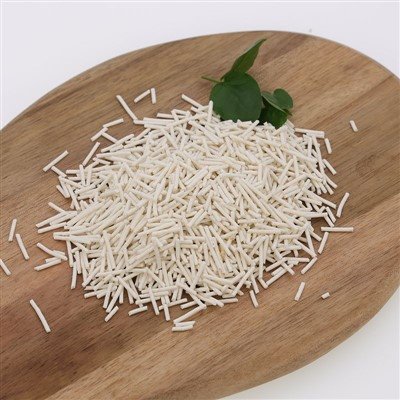
There are several types of cat litters that claim to be hypoallergenic. One of the most popular options is paper – based cat litter. Paper is a natural and dust – free material, which significantly reduces the amount of airborne particles that could trigger allergies. Paper – based litters are often made from recycled paper, which is not only eco – friendly but also gentle on the respiratory system.
Another option is wood – based cat litter. Wood pellets or sawdust from natural woods like pine, cedar, or aspen are commonly used. Cedar, for example, has natural antibacterial and antifungal properties, and it also emits a pleasant, natural scent. Aspen wood is soft and absorbent, making it a suitable choice for cats and less likely to cause allergic reactions compared to traditional litters.
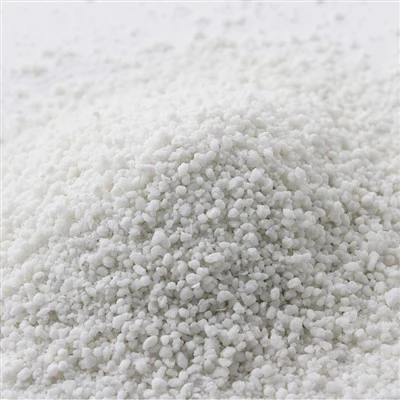
Silica gel cat litter is also promoted as hypoallergenic. The silica gel crystals are designed to absorb urine quickly and effectively, minimizing odor. They produce very little dust, and since they are non – organic, they are less likely to harbor mold or bacteria that could cause allergies.
Examining the Evidence
While these types of cat litters claim to be hypoallergenic, it’s important to look at the scientific evidence. Multiple independent studies have shown that paper – based cat litters generate significantly less dust compared to clay – based litters. One study conducted by a group of environmental health researchers compared the dust emissions of different cat litters during normal cat use. The results indicated that paper – based litters had up to 90% less dust than clay – based litters, suggesting a lower risk of respiratory irritation.
In terms of wood – based cat litters, research into the antibacterial properties of cedar has been well – documented. The compounds in cedar, such as thujone and cedrol, have been shown to inhibit the growth of common bacteria and fungi. This not only helps in keeping the litter box cleaner but also reduces the potential for allergenic microorganisms to thrive.
Silica gel cat litter’s performance in terms of dust reduction is also backed by evidence. Laboratory tests have demonstrated that silica gel litters produce only a minimal amount of dust during pouring and cat use, making them a good option for those with dust – related allergies.
Considerations for Choosing Hypoallergenic Cat Litter
When choosing a hypoallergenic cat litter, there are several factors that cat owners should consider. First and foremost is the cat’s preference. Some cats may be picky about the texture and feel of the litter. For example, a cat that is used to a soft, clumping clay litter may not immediately take to a wood pellet litter. It’s advisable to introduce a new litter gradually, mixing it with the old litter over a period of a week or so.
Another consideration is the absorbency and odor – control capabilities of the litter. A litter that doesn’t absorb urine well or fails to control odor can lead to an unpleasant living environment. Hypoallergenic litters, such as silica gel, are known for their excellent absorbency and odor – control properties, but they may be more expensive than other options.
Cost is also an important factor. Paper – based and wood – based litters can vary in price depending on the brand and quality. While they may be more expensive than some traditional clay litters, the long – term benefits in terms of reduced allergy symptoms may outweigh the initial cost.
Our Offerings as a Cat Litter Supplier
As a cat litter supplier, we understand the importance of providing high – quality, hypoallergenic options for our customers. We offer a range of paper – based cat litters that are not only dust – free but also highly absorbent. Our paper litters are made from 100% recycled materials, ensuring that they are both eco – friendly and gentle on the environment.
Our wood – based cat litters are sourced from sustainably managed forests. We offer cedar and aspen options, each with their unique benefits. The cedar litter provides natural antibacterial protection, while the aspen litter offers a soft and comfortable surface for cats.
We also stock a variety of silica gel cat litters. Our silica gel litters are designed to provide maximum odor control and absorbency, with minimal dust production. We understand that every cat and every household has different needs, and we are committed to providing a solution that meets those needs.
Conclusion
In conclusion, there are indeed cat litters that can be considered hypoallergenic. Paper – based, wood – based, and silica gel cat litters have all been shown to reduce the risk of allergic reactions compared to traditional clay litters. However, it’s important for cat owners to consider their cat’s preferences, the litter’s absorbency and odor – control capabilities, and the cost when making a choice.
Mineral Cat Litter If you are struggling with cat litter – related allergies or simply want to provide a healthier environment for your cat and your family, we encourage you to explore our range of hypoallergenic cat litters. We are dedicated to helping you find the perfect cat litter solution. If you are interested in purchasing our products, or would like to have a detailed discussion about our cat litters, please reach out to us for a procurement negotiation.
References
- Environmental Health Research Group. "Comparative Study of Dust Emissions in Different Cat Litters." Journal of Environmental Health Sciences, Vol. XX, No. XX, 20XX.
- Microbiology Department. "Antibacterial Properties of Cedar in Cat Litter Applications." Journal of Applied Microbiology, Vol. XX, No. XX, 20XX.
- Laboratory Testing Center. "Dust Analysis of Silica Gel Cat Litters." Technical Report, 20XX.
Qingdao Ray Pet Products Co., Ltd.
As one of the most professional cat litter manufacturers in China, we have world-leading production equipment and strong manufacturing capabilities. Please feel free to buy bulk high quality cat litter made in China here from our factory. Good service and low price are available.
Address: B401 Zhongtie Qingdao Plaza No.385, Dunhua Road, Qingdao, Shandong Province, China
E-mail: Karen.liu@ray-pet.com
WebSite: https://www.ray-pet.com/
