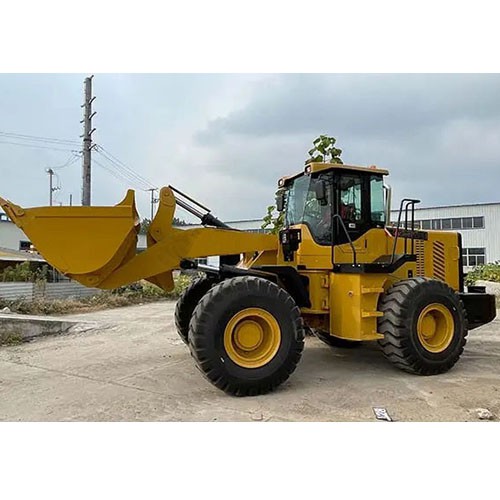
Hey there! As a supplier of construction machinery, I’ve seen my fair share of brake issues in the field. Construction machinery brakes are crucial for safety and performance, and proper maintenance can save you a ton of headaches and money in the long run. So, let’s dive into some maintenance tips for construction machinery brakes. Construction Machinery
Regular Inspections
First off, regular inspections are a must. You should check your brakes at least once a week, or more often if you’re using the machinery in tough conditions. Start by looking at the brake pads. Worn-out brake pads are a common cause of braking problems. If the pads are less than a quarter of an inch thick, it’s time to replace them. You can usually tell if the pads are worn by looking for uneven wear or grooves on the surface.
Next, check the brake fluid. Low brake fluid can lead to reduced braking power. Make sure the fluid level is between the minimum and maximum marks on the reservoir. If it’s low, top it up with the recommended brake fluid for your machinery. And don’t forget to check for any signs of leaks. A leaky brake line can be extremely dangerous, so if you notice any fluid on the ground or around the brake components, get it fixed right away.
The brake drums or rotors also need to be inspected. Look for cracks, scoring, or excessive wear. If the drums or rotors are damaged, they may need to be resurfaced or replaced. You can use a micrometer to measure the thickness of the drums or rotors and compare it to the manufacturer’s specifications.
Cleaning and Lubrication
Keeping your brakes clean is important. Dirt, dust, and debris can accumulate on the brake components and affect their performance. Use a clean cloth or a compressed air gun to remove any dirt from the brake pads, drums, and calipers. Be careful not to get any debris in the brake fluid reservoir.
Lubrication is also key. Some brake components, like the caliper pins, need to be lubricated regularly. Use a high-quality brake lubricant that’s compatible with your machinery. Apply the lubricant to the pins and other moving parts to ensure smooth operation. But be careful not to get any lubricant on the brake pads or rotors, as this can reduce braking performance.
Adjustment
Proper adjustment of the brakes is essential for optimal performance. Over time, the brake pads wear down, and the brakes may need to be adjusted. Most construction machinery brakes have an adjustment mechanism that allows you to tighten or loosen the brakes. Refer to your machinery’s manual for the specific adjustment procedure.
If you’re not comfortable adjusting the brakes yourself, it’s best to have a professional do it. A qualified mechanic can ensure that the brakes are adjusted correctly and that they meet the manufacturer’s specifications.
Training and Education
One of the most important aspects of brake maintenance is training and education. Make sure your operators are trained on how to properly use and maintain the brakes. They should know how to perform basic inspections, check the brake fluid, and recognize the signs of brake problems.
You can also provide your operators with training on safe driving practices. For example, they should avoid sudden stops and starts, which can put extra stress on the brakes. By following these practices, they can help extend the life of the brakes and reduce the risk of accidents.
Storage
If you’re not using your construction machinery for an extended period, proper storage is important. Make sure the brakes are clean and dry before storing the machinery. You can also apply a light coat of rust inhibitor to the brake components to prevent corrosion.
When storing the machinery, make sure the parking brake is engaged. This will help prevent the brakes from sticking and ensure that they’re in good working condition when you’re ready to use the machinery again.
Troubleshooting
Even with proper maintenance, you may still encounter brake problems from time to time. Here are some common brake problems and how to troubleshoot them:
- Spongy brakes: If the brake pedal feels spongy or soft, it could be a sign of air in the brake lines. You can bleed the brakes to remove the air. Refer to your machinery’s manual for the specific bleeding procedure.
- Squealing or grinding noises: Squealing or grinding noises when you apply the brakes could indicate worn brake pads. Check the brake pads and replace them if necessary.
- Pulling to one side: If the machinery pulls to one side when you apply the brakes, it could be a sign of uneven brake wear or a problem with the brake calipers. Have the brakes inspected by a professional to determine the cause.
Conclusion
Maintaining the brakes on your construction machinery is crucial for safety and performance. By following these maintenance tips, you can extend the life of your brakes, reduce the risk of accidents, and save money in the long run.
If you’re in the market for construction machinery or need replacement brake parts, don’t hesitate to reach out. We’re here to help you find the right equipment and provide you with the support you need. Whether you’re a small contractor or a large construction company, we have the products and expertise to meet your needs.
Roots Blower References
- Construction Machinery Maintenance Manuals
- Brake Manufacturer’s Technical Guides
Hanhong (Dalian) International Trade Co., Ltd
As one of the leading construction machinery suppliers in China, we warmly welcome you to buy high-end construction machinery at competitive price from our factory. Good service and quality products are available.
Address: Chi Tun, Litun, Village, Fuzhouwan Street, Jinpu New District, Dalian City, Liaoning Province
E-mail: hanhong@hanhongguoji.com.cn
WebSite: https://www.hanhonginternational.com/
