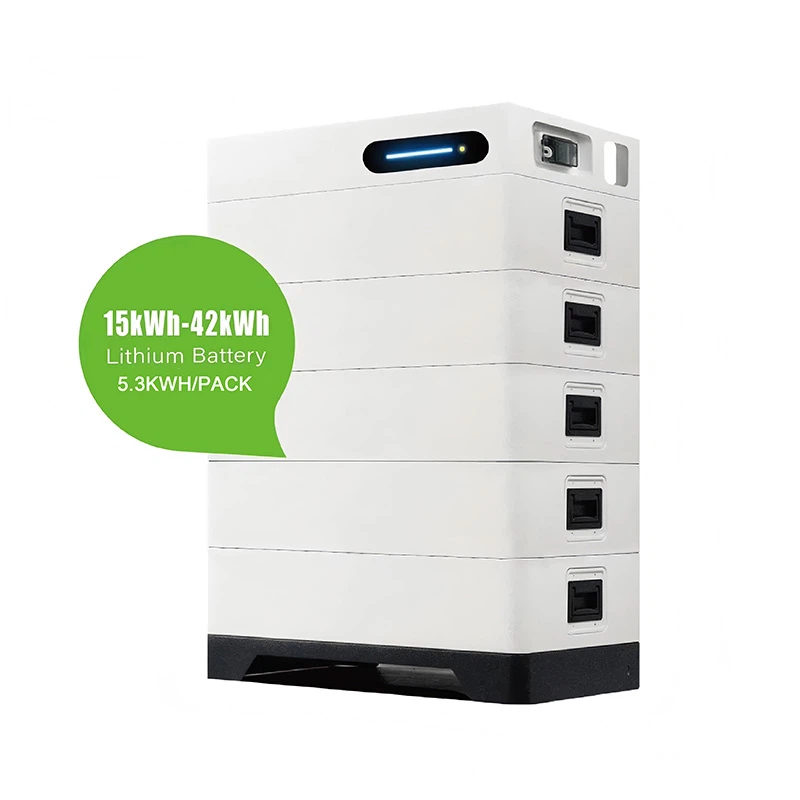
In the realm of energy storage, high voltage stacked batteries stand as a cornerstone technology, powering a wide array of applications from electric vehicles to grid-scale energy storage systems. As a dedicated supplier of high voltage stacked batteries, I’ve witnessed firsthand the critical importance of maintaining battery performance over time. Performance degradation is an inevitable challenge that can significantly impact the efficiency, reliability, and lifespan of these batteries. In this blog, I’ll share some insights and strategies on how to slow down the performance degradation of high voltage stacked batteries. High Voltage Stacked Battery
Understanding the Causes of Performance Degradation
Before delving into solutions, it’s essential to understand the root causes of performance degradation in high voltage stacked batteries. Several factors contribute to this phenomenon, including:
1. Chemical Reactions
Inside the battery, chemical reactions occur during charging and discharging cycles. Over time, these reactions can lead to the formation of solid electrolyte interphase (SEI) layers on the electrodes. While the SEI layer is necessary for battery operation, excessive growth can impede ion transport and reduce battery capacity.
2. Temperature Effects
Temperature plays a crucial role in battery performance. High temperatures can accelerate chemical reactions, leading to increased self-discharge rates and faster degradation of the battery materials. On the other hand, low temperatures can reduce the battery’s capacity and increase its internal resistance.
3. Overcharging and Overdischarging
Overcharging a battery can cause the electrodes to overheat and damage the battery’s structure. Similarly, overdischarging can lead to irreversible damage to the electrodes and reduce the battery’s capacity.
4. Mechanical Stress
High voltage stacked batteries are often subject to mechanical stress during operation, such as vibrations and shocks. These stresses can cause physical damage to the battery components, leading to performance degradation.
Strategies to Slow Down Performance Degradation
Now that we understand the causes of performance degradation, let’s explore some strategies to mitigate these issues and extend the lifespan of high voltage stacked batteries.
1. Optimize Charging and Discharging Parameters
One of the most effective ways to slow down performance degradation is to optimize the charging and discharging parameters of the battery. This includes avoiding overcharging and overdischarging by setting appropriate voltage and current limits. Additionally, using a constant current – constant voltage (CC – CV) charging method can help ensure that the battery is charged safely and efficiently.
For example, when charging a high voltage stacked battery, it’s important to start with a constant current phase until the battery reaches a certain voltage threshold. Then, switch to a constant voltage phase to complete the charging process. This method helps prevent overcharging and reduces the stress on the battery electrodes.
2. Implement Temperature Management Systems
Temperature management is crucial for maintaining the performance and lifespan of high voltage stacked batteries. By implementing effective temperature management systems, such as cooling and heating systems, we can keep the battery within an optimal temperature range.
For instance, in electric vehicles, liquid – cooled battery packs are commonly used to dissipate heat generated during charging and discharging. This helps prevent the battery from overheating and reduces the rate of performance degradation. Similarly, in cold climates, heating systems can be used to warm up the battery to ensure optimal performance.
3. Use High – Quality Battery Materials
The quality of the battery materials used in high voltage stacked batteries has a significant impact on their performance and lifespan. Using high – quality electrodes, electrolytes, and separators can help reduce the rate of chemical reactions and improve the battery’s stability.
For example, advanced electrode materials with high specific capacity and good cycling stability can help maintain the battery’s capacity over a large number of charging and discharging cycles. Additionally, using high – purity electrolytes can reduce the formation of SEI layers and improve the battery’s overall performance.
4. Employ Battery Management Systems (BMS)
A battery management system (BMS) is an essential component of high voltage stacked batteries. The BMS monitors the battery’s state of charge (SOC), state of health (SOH), and temperature, and takes appropriate actions to ensure the battery’s safe and efficient operation.
For example, the BMS can detect overcharging and overdischarging conditions and automatically adjust the charging and discharging parameters to prevent damage to the battery. It can also balance the charge among the individual cells in the battery stack, ensuring that each cell operates within its optimal range.
5. Conduct Regular Maintenance and Testing
Regular maintenance and testing are crucial for identifying and addressing potential issues before they lead to significant performance degradation. This includes performing periodic capacity tests, impedance measurements, and visual inspections of the battery.
For example, capacity tests can help determine the battery’s remaining capacity and identify any signs of degradation. Impedance measurements can provide insights into the battery’s internal resistance and help detect any potential problems with the battery’s electrodes or electrolyte. Visual inspections can also help identify any physical damage to the battery, such as cracks or leaks.
Case Studies and Real – World Applications
To illustrate the effectiveness of these strategies, let’s look at some real – world case studies.
In the electric vehicle industry, many manufacturers have implemented advanced battery management systems and temperature management technologies to improve the performance and lifespan of their high voltage stacked batteries. For example, Tesla uses a liquid – cooled battery pack and a sophisticated BMS to ensure that its batteries operate within an optimal temperature range and are charged and discharged safely. As a result, Tesla vehicles have shown excellent battery performance and longevity.
In the grid – scale energy storage sector, utility companies are increasingly using high voltage stacked batteries to store renewable energy and balance the grid. By implementing temperature management systems and optimizing the charging and discharging parameters, these batteries can operate efficiently for many years, providing a reliable source of energy storage.
Conclusion

As a supplier of high voltage stacked batteries, I understand the importance of slowing down performance degradation to ensure the long – term reliability and efficiency of our products. By implementing the strategies outlined in this blog, such as optimizing charging and discharging parameters, implementing temperature management systems, using high – quality battery materials, employing battery management systems, and conducting regular maintenance and testing, we can significantly extend the lifespan of high voltage stacked batteries.
40kwh HV Battery If you’re in the market for high voltage stacked batteries and are looking for a reliable supplier who can provide high – quality products and support, I encourage you to reach out to us. Our team of experts is ready to discuss your specific requirements and provide you with customized solutions.
References
- Arora, P., White, R. E., & Doyle, M. (1999). Development of a phenomenological model for lithium – ion batteries. Journal of the Electrochemical Society, 146(2), 356 – 365.
- Dunn, B., Kamath, H., & Tarascon, J. M. (2011). Electrical energy storage for the grid: A battery of choices. Science, 334(6058), 928 – 935.
- Goodenough, J. B., & Kim, Y. (2010). Challenges for rechargeable Li batteries. Chemistry of Materials, 22(3), 587 – 603.
Boost Battery Technology (hefei) Co., Ltd.
Address: Room B2-615, Zhiqi Center, Baohe District, Hefei City, Anhui Province
E-mail: maury@boostbattery.cn
WebSite: https://www.boostbattery.net/
