Carbon fabric, a remarkable material known for its high strength, low weight, and excellent electrical conductivity, has been making waves in various industries. As a carbon fabric supplier, I’ve witnessed firsthand the growing interest in its applications, especially in relation to electromagnetic waves. In this blog, I’ll delve into how carbon fabric affects electromagnetic waves, exploring the science behind it and its practical implications. Carbon Fabric
Understanding Electromagnetic Waves
Before we dive into the impact of carbon fabric on electromagnetic waves, let’s briefly review what electromagnetic waves are. Electromagnetic waves are a form of energy that consists of oscillating electric and magnetic fields. They travel through space at the speed of light and come in a wide range of frequencies, from radio waves to gamma rays. These waves play a crucial role in our daily lives, enabling communication, providing heat and light, and even being used in medical imaging.
Carbon Fabric and Its Properties
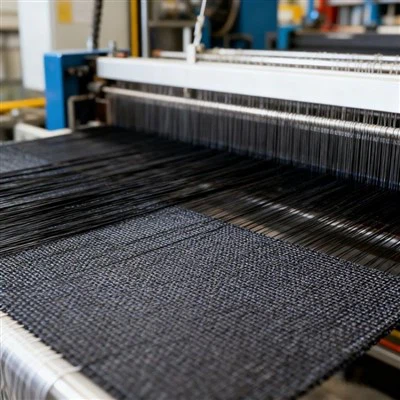
Carbon fabric is made from carbon fibers, which are thin, strong, and highly conductive. These fibers are woven together to form a fabric that can be used in a variety of applications, including aerospace, automotive, and sports equipment. One of the key properties of carbon fabric is its electrical conductivity, which allows it to interact with electromagnetic waves.
How Carbon Fabric Affects Electromagnetic Waves
Absorption
One of the primary ways carbon fabric affects electromagnetic waves is through absorption. When an electromagnetic wave encounters a carbon fabric, the conductive carbon fibers can absorb the energy of the wave. This absorption occurs because the electric field of the wave causes the electrons in the carbon fibers to move, converting the electromagnetic energy into heat. The amount of absorption depends on several factors, including the frequency of the wave, the thickness of the fabric, and the orientation of the fibers.
For example, in the radio frequency range, carbon fabric can be used as an electromagnetic shielding material. By absorbing the radio waves, it can prevent them from passing through and interfering with electronic devices. This is particularly important in applications where electromagnetic interference (EMI) needs to be minimized, such as in sensitive electronic equipment or in environments with high levels of electromagnetic radiation.
Reflection
In addition to absorption, carbon fabric can also reflect electromagnetic waves. When an electromagnetic wave hits the surface of the carbon fabric, a portion of the wave is reflected back. The amount of reflection depends on the impedance of the fabric and the angle of incidence of the wave. A higher impedance means more reflection, while a lower impedance means more absorption.
Reflection can be useful in certain applications, such as in radar systems. By using carbon fabric with the appropriate impedance, it is possible to design radar reflectors that can enhance the radar signature of an object. This can be important in military applications, where the ability to detect and track objects is crucial.
Transmission
While carbon fabric can absorb and reflect electromagnetic waves, it can also allow some waves to pass through. The amount of transmission depends on the frequency of the wave and the properties of the fabric. In general, carbon fabric is more transparent to higher frequency waves, such as visible light and infrared radiation, than to lower frequency waves, such as radio waves.
This property of carbon fabric can be exploited in applications where it is necessary to allow certain types of electromagnetic waves to pass through while blocking others. For example, in solar panels, carbon fabric can be used as a protective layer that allows sunlight to pass through while blocking harmful ultraviolet radiation.
Practical Applications of Carbon Fabric in Electromagnetic Wave Management
Electromagnetic Shielding
As mentioned earlier, carbon fabric is widely used for electromagnetic shielding. In electronic devices, such as computers, smartphones, and medical equipment, carbon fabric can be used to prevent electromagnetic interference from affecting the performance of the device. By wrapping the device in a layer of carbon fabric, the electromagnetic waves are absorbed or reflected, reducing the amount of interference.
In addition to electronic devices, carbon fabric can also be used in buildings and vehicles to provide electromagnetic shielding. For example, in hospitals, carbon fabric can be used in the walls and ceilings of operating rooms to prevent electromagnetic interference from medical equipment. In vehicles, carbon fabric can be used in the interior to reduce the amount of electromagnetic radiation from the engine and other electronic components.
Radar Absorbing Materials
Carbon fabric is also used in the development of radar absorbing materials (RAM). RAM is designed to absorb radar waves, reducing the radar signature of an object and making it less detectable by radar systems. Carbon fabric can be used as a base material for RAM, with additional layers of absorbing materials added to enhance its performance.
In military applications, RAM is used on aircraft, ships, and other vehicles to make them less visible to enemy radar. By reducing the radar signature, these vehicles can operate more stealthily, increasing their chances of survival in combat.
Antenna Design
Carbon fabric can also be used in antenna design. Antennas are devices that transmit and receive electromagnetic waves, and the performance of an antenna depends on its design and the materials used. Carbon fabric can be used as a conductive element in antenna design, providing a lightweight and flexible alternative to traditional metal antennas.
In addition to its conductivity, carbon fabric can also be used to control the radiation pattern of an antenna. By adjusting the orientation and spacing of the carbon fibers, it is possible to design antennas with specific radiation patterns, such as directional or omnidirectional antennas.
Conclusion

In conclusion, carbon fabric has a significant impact on electromagnetic waves. Its ability to absorb, reflect, and transmit electromagnetic waves makes it a versatile material for a wide range of applications, from electromagnetic shielding to radar absorbing materials and antenna design. As a carbon fabric supplier, I’m excited to see the continued development of new applications for this remarkable material.
Carbon Fabric If you’re interested in learning more about carbon fabric and its applications in electromagnetic wave management, or if you’re looking to purchase carbon fabric for your project, I encourage you to contact me. I’d be happy to discuss your specific needs and provide you with the information and products you need.
References
- Electromagnetic Waves and Antennas by Constantine A. Balanis
- Carbon Fiber Reinforced Composites: Design and Applications by A. K. Mukhopadhyay
- Handbook of Electromagnetic Materials: Principles, Properties and Applications by K. S. Subramanian
Jiaxing Rongjin Intelligent Technology Co., Ltd.
As one of the most professional carbon fabric suppliers in China, we have world-leading production equipment and strong manufacturing capabilities. Please rest assured to buy high quality carbon fabric in stock here from our factory. Contact us for quotation.
Address: Room 503, Bldg. 1, No. 228 Xicundai Rd., Honghe Town, Xiuzhou Dist., Jiaxing, Zhejiang, P.R. China
E-mail: lan@rongjinsmart.com
WebSite: https://www.carbonfibers-china.com/
